































AI’s Quiet Revolution: Transforming Supply Chain Efficiency from the Inside Out

" "
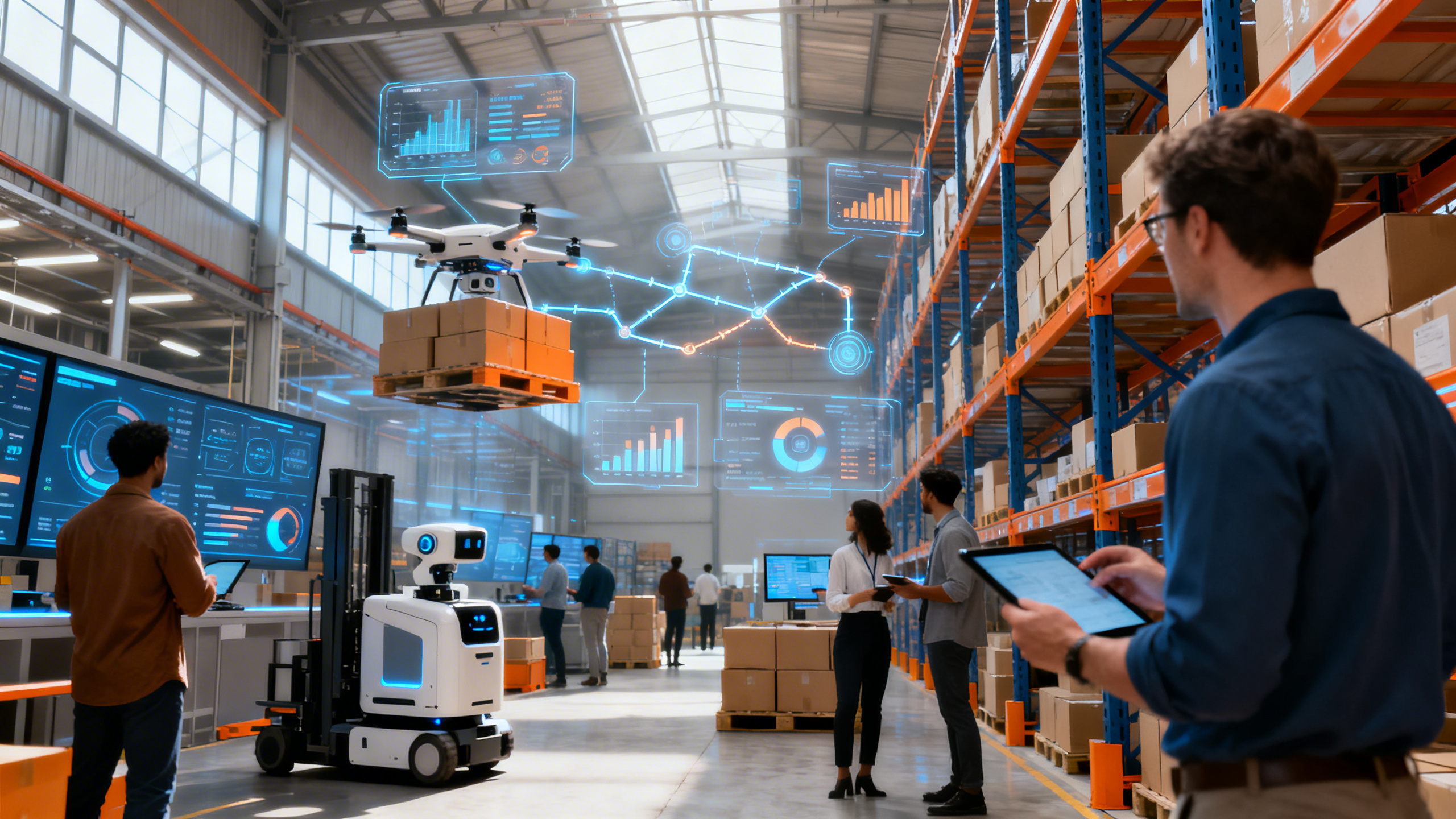
Supply chains have always been the heartbeat of global commerce, but the last few weeks have cast fresh light on just how dramatically artificial intelligence is changing the game. No longer a futuristic buzzword, AI is now the engine humming inside everything from warehouse robotics to predictive inventory systems. Companies that once relied on spreadsheets and gut instinct are now making decisions guided by self-learning algorithms. Beneath the surface, a quiet revolution is underway—one that’s rapidly redefining what “efficient” really means.
Unlocking Invisible Efficiencies
For years, businesses measured supply chain success in terms of how quickly goods could move from factory to customer. These days, the definition of efficiency is expanding. AI tools are surfacing patterns that human analysts often miss, uncovering cost-saving tweaks and process improvements that were previously invisible.
Recent moves by global logistics providers illustrate how deeply AI is being woven into daily operations. According to a report from Reuters, several leading shipping firms have begun using AI-powered platforms to manage container allocation and route planning. These platforms analyze live data on port congestion, weather disruptions, and even truck driver availability, re-routing shipments dynamically to avoid bottlenecks. The result: fewer delays, lower fuel usage, and happier customers.
One European retailer recently credited its AI-driven demand forecasting system for helping it weather a spike in online orders. The system pulled in signals from social media, web traffic, and sales data to predict which products would surge in popularity, fine-tuning order quantities and reducing stockouts. The chain’s logistics manager described how this shift cut waste and boosted on-time deliveries, helping the company capture market share from slower-moving competitors.
From Reactive to Proactive: The AI Mindset Shift
Historically, supply chain managers have been stuck playing defense—scrambling to react to late deliveries, lost shipments, or sudden swings in demand. AI is flipping this paradigm on its head.
Machine learning algorithms now crunch massive datasets, finding correlations between factors like raw material prices, consumer trends, and supplier performance. As a result, teams can anticipate disruptions before they happen. A recent example saw a major automotive manufacturer’s AI system flagging a potential shortage of a critical component weeks before human planners noticed the issue. This early warning allowed the company to secure alternate sources, sidestepping costly production delays.
These predictive powers are becoming especially valuable as global supply chains face mounting uncertainty. Trade tensions, extreme weather, and transportation strikes can ripple through distribution networks in unpredictable ways. AI doesn’t just spot the warning signs; it simulates alternative scenarios, offering planners a menu of possible actions.
Human Ingenuity Enhanced, Not Replaced
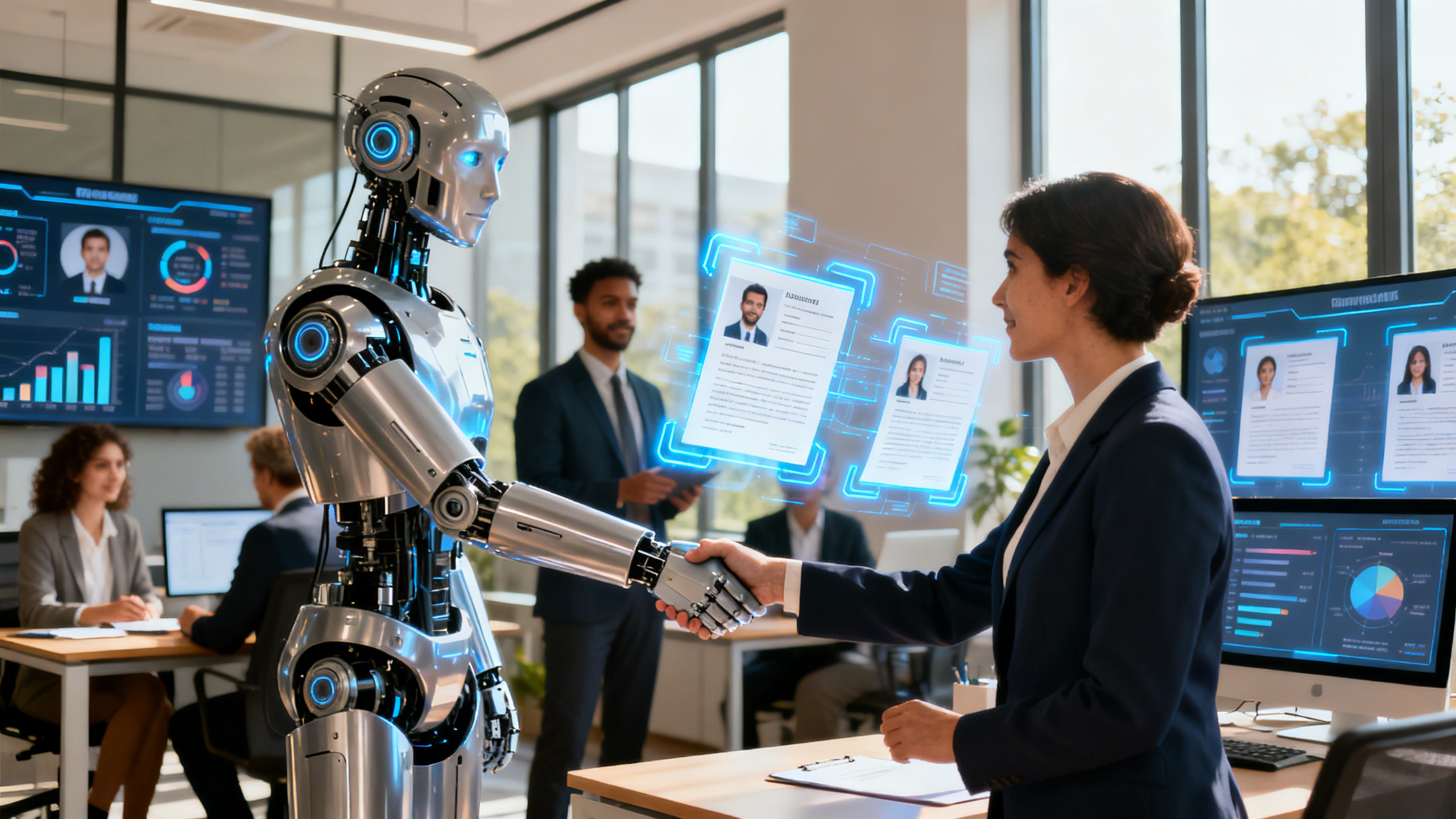
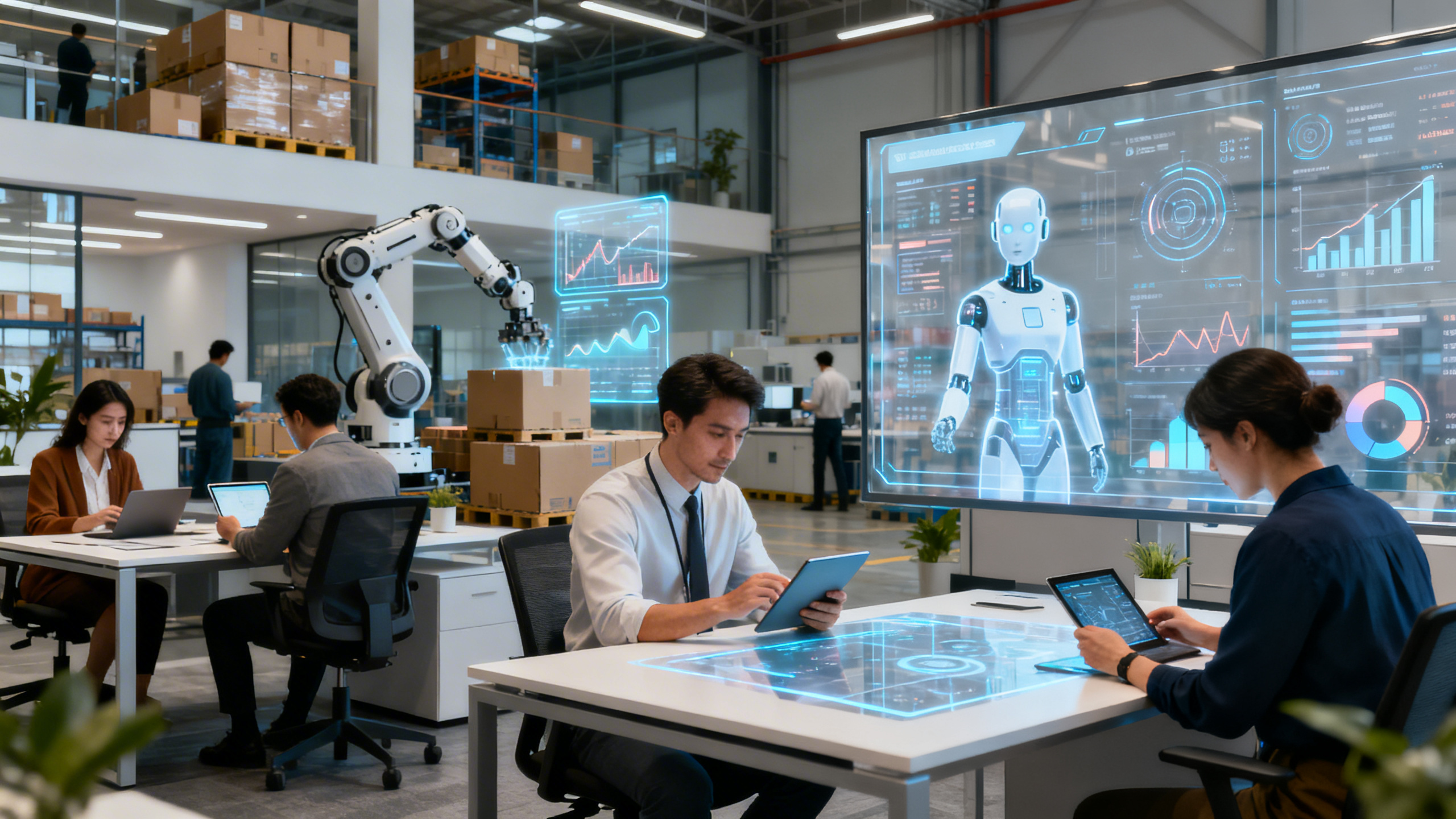
Despite the hype, the rise of AI doesn’t spell obsolescence for human supply chain professionals. Instead, it’s amplifying their expertise. Many companies are finding that the most successful implementations blend machine intelligence with on-the-ground experience.
One logistics coordinator at a California-based e-commerce company explained how AI recommendations have become a trusted second opinion during morning planning meetings. The AI offers route suggestions and prioritizes shipments, but it’s the team that makes judgment calls based on local knowledge—like a festival that might snarl city traffic, or a new customer with unique delivery needs.
This synergy is spurring a new kind of creativity. Freed from tedious forecasting and manual data entry, supply chain professionals are shifting their focus to process innovation and customer service. The net effect: organizations are moving faster and adapting to change with unprecedented agility.
Real-Time Visibility Becomes the Norm
Transparency has traditionally been the Achilles’ heel of complex supply chains. Once a package left the warehouse, its journey was often a black box until arrival. Now, AI-powered tracking platforms are giving businesses—and their customers—near-instant visibility into every step.
Major logistics providers have rolled out platforms that tap into GPS, RFID, and IoT sensors, all monitored by AI. When a shipment veers off course or a temperature-controlled truck malfunctions, the system sends out alerts and recommends fixes. Retailers, manufacturers, and even end consumers are reaping the benefits: fewer spoiled products, fewer lost packages, and tighter delivery windows.
A food distributor in the Midwest shared how real-time AI analytics helped prevent a costly recall. The system detected abnormal temperature fluctuations in a refrigerated truck and advised the company to reroute the shipment to a nearby warehouse for inspection. Quick action saved thousands of dollars in wasted product and preserved crucial customer trust.
Sustainability by Design
As environmental concerns climb the corporate agenda, AI is playing a pivotal role in driving greener supply chains. It turns out that the same tools optimizing for speed and cost are increasingly attuned to carbon footprints and resource use.
According to a recent McKinsey report, AI-powered route planning has enabled fleets to cut emissions by reducing idling and empty miles. Companies are now using these insights to set ambitious sustainability targets—achieving both regulatory compliance and brand differentiation.
Manufacturers focused on circular economy principles are also leveraging AI to track component life cycles, predict when products will need refurbishment, and orchestrate efficient returns and recycling. This data-driven approach is helping businesses not just minimize waste, but also unlock new revenue streams from previously overlooked secondary markets.
Building Resilience into the Fabric
Perhaps the most profound impact of AI is its capacity to make supply chains more resilient in the face of shocks. Rather than scrambling to patch holes after a disruption, AI systems help organizations model vulnerabilities and shore up weak links proactively.
A U.S.-based electronics importer recently described how AI-powered simulations guided the distribution of safety stock across multiple regional warehouses. By evaluating hundreds of potential disruption scenarios—ranging from port closures to supplier bankruptcies—the company developed contingencies that kept orders flowing even when the unexpected hit.
This mindset is catching on across industries. Instead of aiming for maximum efficiency at the expense of flexibility, businesses are now seeking a dynamic balance. AI is at the heart of this strategy, enabling organizations to pivot rapidly while minimizing excess inventory and working capital.
The Changing Role of Partnerships
The rise of AI is also reshaping how companies interact with suppliers and partners. Traditional, transactional relationships are giving way to more collaborative models as data sharing becomes a competitive differentiator.
Several multinational firms have begun pooling anonymized supply chain data with strategic partners, all underpinned by AI analysis. This shared visibility allows for synchronized planning, shorter lead times, and better risk management. One apparel brand noted that its AI-powered collaboration system enabled it to coordinate production schedules with fabric suppliers, resulting in faster launches of new collections and fewer last-minute scrambles.
Challenges on the Road to Adoption
Of course, integrating AI into supply chain management is not without hurdles. Data quality remains a perennial challenge. Algorithms are only as good as the information fed into them, and many companies still struggle with siloed systems and inconsistent data formats.
Cybersecurity is another growing concern, especially as more sensitive supplier and customer data is shared across networks. Industry leaders are responding by investing in robust safeguards and continuous monitoring, recognizing that trust is as critical as technology.
Change management also looms large. Shifting mindsets from reactive to proactive, and from gut-driven to data-driven, takes time and persistent leadership. Successful companies are investing in upskilling their teams—not just to use AI tools, but to interpret insights and translate them into action.
Practical Steps for Businesses
For organizations looking to harness AI in their supply chains, several actions are emerging as particularly effective:
- Start with High-Impact Use Cases: Focus initial AI deployments on areas with clear pain points, like demand forecasting or inventory optimization, to build early wins and organizational buy-in.
- Invest in Data Foundations: Prioritize cleaning and integrating data streams, as high-quality input dramatically improves AI outcomes.
- Foster Collaboration: Break down silos between IT, operations, and business units to ensure AI insights translate into process improvements.
- Emphasize Human-AI Partnerships: Empower supply chain professionals to work alongside AI, leveraging their expertise while trusting data-driven recommendations.
- Prioritize Agility: Design systems and processes that can adapt to rapid market changes, using AI to constantly scan for emerging risks and opportunities.
The Human Story at the Heart of the Transformation
Beneath the technical jargon and process diagrams, there’s a very human story unfolding. From warehouse associates using AI-guided wearable tech to procurement teams negotiating smarter contracts with global suppliers, people are at the center of this transformation. The human drive to solve problems, adapt, and improve is what ultimately powers the algorithms and systems behind the scenes.
As a supply chain manager at a consumer electronics giant put it, “AI doesn’t replace our judgment—it sharpens it. We can see farther, act faster, and serve our customers better.”
This new era of efficiency is not just about shaving seconds off delivery times or squeezing out costs. It’s about building supply chains that are smarter, more resilient, and more responsive to the world’s changing needs. AI is quietly remaking the industry from the inside out—one decision, one shipment, and one satisfied customer at a time.