



































How AI Is Changing the Craft of Web Development

" "
Web development is no longer the exclusive domain of coders hunched over glowing monitors late into the night. Artificial intelligence has quietly slipped into the process, not as a distant promise, but as a set of real tools, platforms, and possibilities shaping how websites are built, maintained, and experienced. The conversation has moved far beyond “Will AI replace developers?” Instead, it’s about how AI is becoming part of the toolkit, what new opportunities this brings, and the very real challenges that must be considered along the way.
Smarter Tools Transforming Everyday Tasks
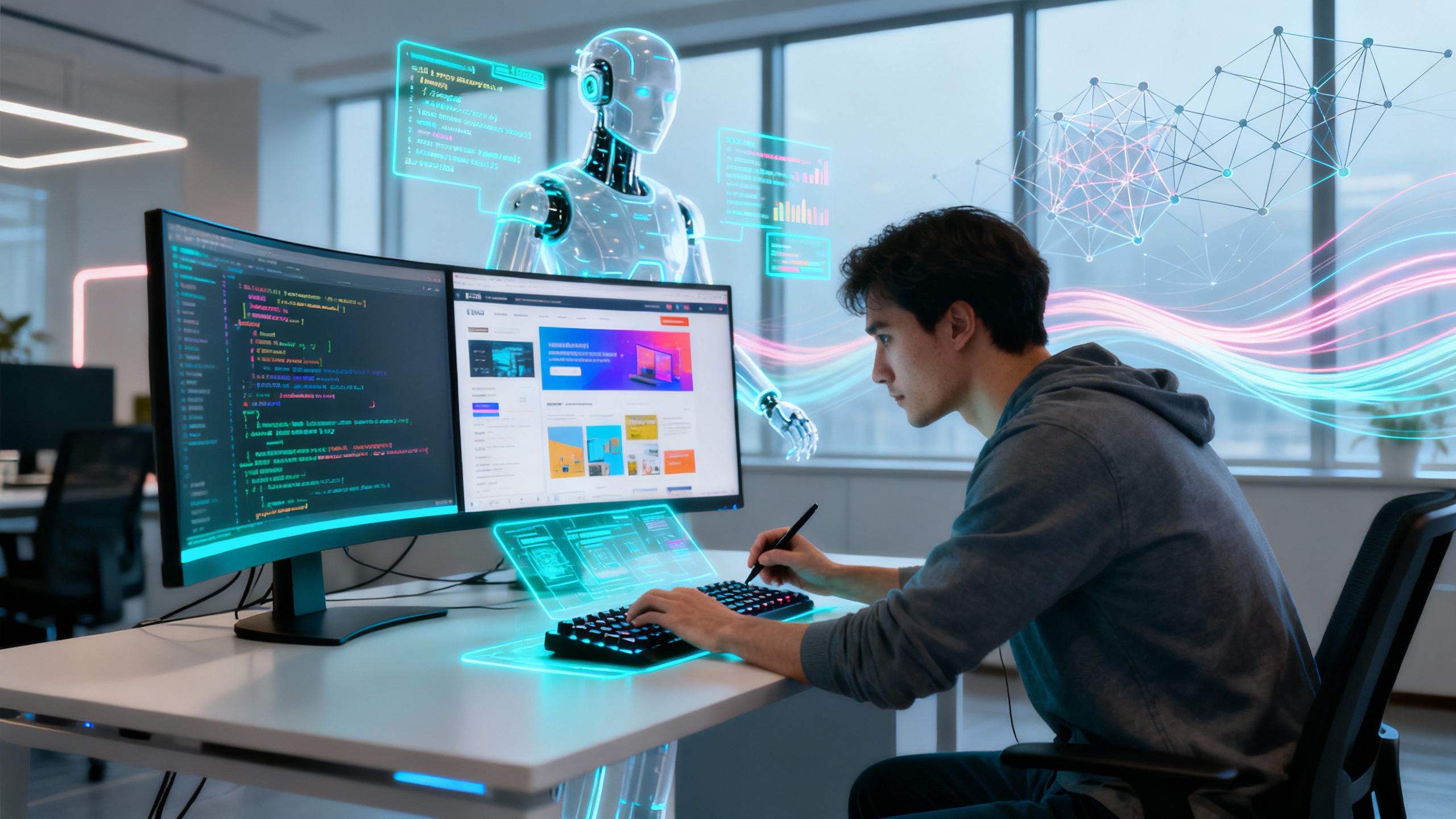
For many developers, the first encounter with AI is refreshingly mundane. Code completion assistants, intelligent bug detectors, and layout generators have made repetitive tasks less burdensome. Rather than replacing human ingenuity, these tools amplify it. According to recent findings from GitHub’s engineering blog, developers using AI-assisted features report not only faster completion rates but also higher job satisfaction, especially when wrestling with boilerplate code or debugging gnarly errors.
A freelancer in Toronto described how generative AI tools integrated into code editors cut his initial setup time in half when spinning up new client projects. Instead of trawling forums for code snippets or juggling documentation, he found himself focusing more on architecture and user experience. This shift mirrors a broader trend: AI isn’t automating creativity out of web development, but clearing space for it.
Personalized Experiences at Scale
The biggest promise AI brings to web development is the ability to deliver personalized, adaptive user experiences at unprecedented scale. Advanced recommendation systems and dynamic content engines, powered by machine learning, are no longer exclusive to tech giants. Tools such as Netlify’s AI-driven personalization platform allow smaller businesses to tailor website content in real time, adjusting everything from calls-to-action to images based on a visitor’s interests or browsing patterns.
Consider an online retailer that recently adopted AI-powered search and content recommendation. Customers landing on their homepage were instantly shown products that matched not just their past purchases, but also broader trends inferred from anonymized user data. The impact was immediate: longer site visits and a noticeable uptick in conversions, all while freeing up the development team to concentrate on more strategic tasks.
AI-Generated Design: Promise and Pitfalls
Designers, too, are discovering that AI can push the boundaries of creativity. Generative design tools now offer the ability to produce layouts, color palettes, and even entire page templates based on a few keywords or brand guidelines. Adobe’s latest suite has incorporated AI-driven suggestions that learn a designer’s style and offer recommendations mid-workflow.
Yet, relying too heavily on AI-generated aesthetics can backfire. A digital agency in Berlin recounted how an overzealous embrace of generative design led to a collection of visually impressive, but brand-inconsistent, landing pages. The lesson was clear: while AI can spark inspiration and accelerate iteration, it still takes a human eye to ensure cohesion and emotional resonance.
Streamlining Accessibility and Compliance
AI is also tackling some of the less glamorous but vitally important aspects of web development—like accessibility and compliance. Automated testing suites, powered by computer vision and natural language processing, can now scan websites for color contrast issues, missing alt tags, or insufficient keyboard navigation. According to accessibility consultants cited in TechCrunch, these tools have helped organizations catch and fix issues before users encounter them, reducing the risk of exclusion and legal liability.
However, the temptation to trust these tools blindly can introduce new hazards. Automated tests excel at flagging technical violations, but often miss the subtler, context-dependent nuances of accessibility. Developers have found that pairing AI-driven audits with manual reviews produces better results—AI catches the obvious, while humans provide the empathy and judgment that machines still lack.
Security in an AI-Augmented World
As web applications grow more complex, so do the threats. AI-powered security tools have emerged to monitor traffic, detect anomalies, and flag suspicious activity in real time. Security teams now rely on these systems to sift through thousands of requests per minute, surfacing the handful that may indicate a vulnerability exploit or data breach attempt.
A fintech startup recently credited its AI-based firewall for catching a sophisticated phishing campaign targeting its login portal. The system flagged subtle inconsistencies in user behavior that human analysts would have struggled to spot. Still, as cybersecurity experts warn, attackers are also leveraging AI to craft more convincing scams and probe for weaknesses. The arms race between defenders and adversaries shows no sign of slowing.
Collaboration and Communication Redefined
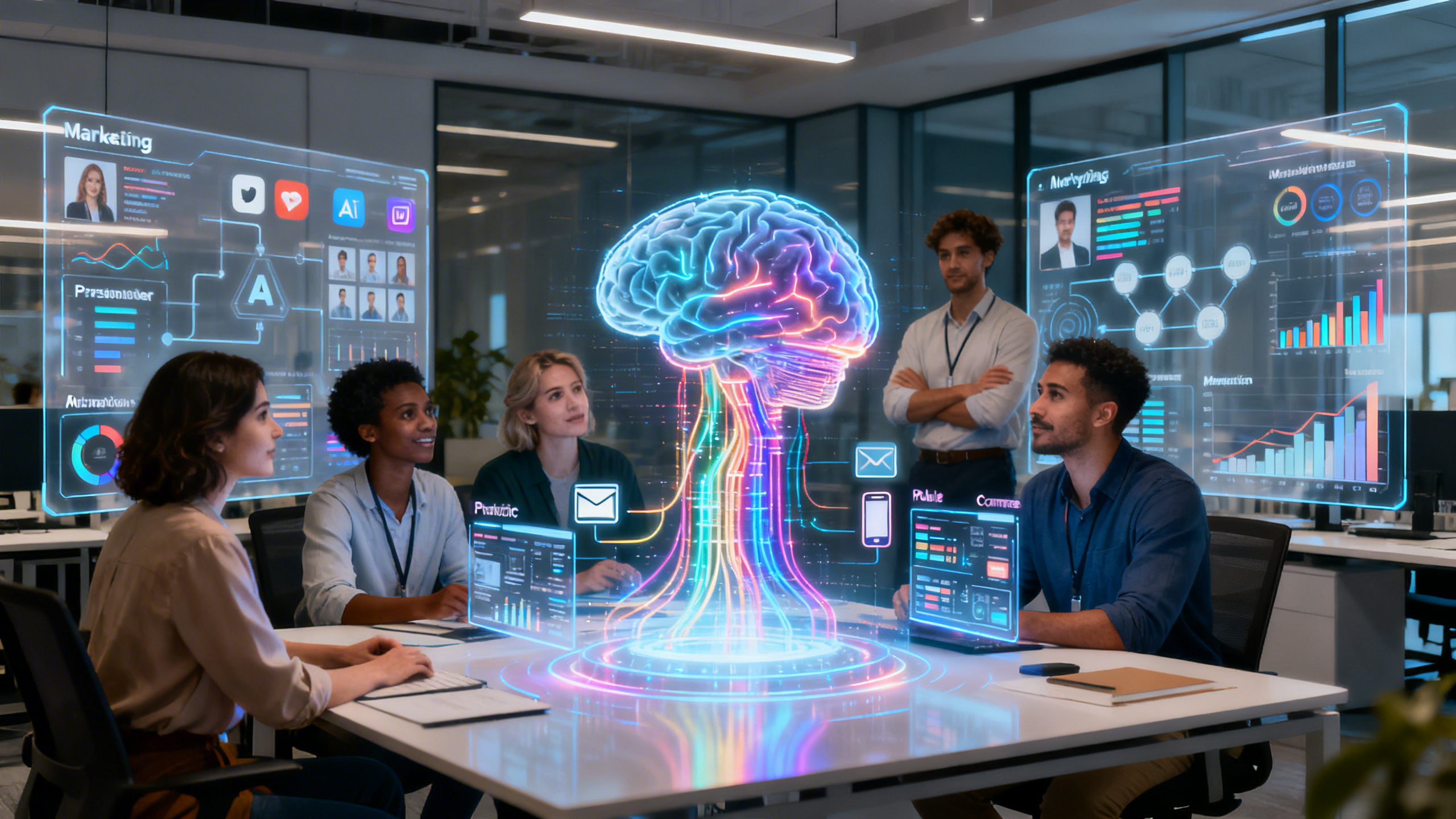
AI isn’t just changing the code; it’s reshaping how teams work together. Natural language processing tools embedded in project management platforms are parsing conversation threads, surfacing relevant documentation, and even summarizing complex technical discussions for non-developers. This translation layer is bridging the gap between designers, developers, stakeholders, and clients.
An e-commerce company adopted an AI-driven support bot to handle internal developer queries about deployment pipelines. What started as a time-saving measure soon revealed a deeper benefit: new team members ramped up faster, and knowledge silos began to dissolve. The company noticed smoother handoffs and fewer misunderstandings in cross-functional projects.
The Hurdles of Bias and Black Boxes
Despite the clear advantages, AI brings its own set of challenges. Chief among these is the risk of bias—both in the data used to train models and in the decisions those models make. When AI-powered personalization engines or automated compliance tools are fed incomplete or skewed data, they can inadvertently perpetuate stereotypes or exclude certain user groups. Developers at a nonprofit organization discovered that their language-model-powered chatbot consistently failed to understand dialects spoken by some of their site’s visitors, highlighting the importance of ongoing human oversight.
Another concern is the opacity of many AI models. Web developers accustomed to debugging with clear cause-and-effect logic can find themselves stymied by the “black box” nature of some machine learning systems. Explaining to a client—or even a team member—why an AI-powered feature works the way it does isn’t always straightforward. This lack of transparency can erode trust, particularly when AI-driven decisions have a tangible impact on users.
Learning Curves and Evolving Skill Sets
The integration of AI into web development is also reshaping the skill set required for the job. While traditional coding remains foundational, there’s growing demand for developers who understand data science, model training, and prompt engineering. Educational platforms like Coursera and Codecademy report surging enrollments in AI and machine learning courses designed specifically for web professionals.
One self-taught developer shared how, after years of front-end work, she began exploring AI-powered design systems out of curiosity. The journey wasn’t without frustration—her first attempts at training image models resulted in garbled outputs—but the payoff came when she landed a contract to build a smart content curation tool for a media site. The experience underlined a larger trend: continuous learning and adaptability are now prerequisites for anyone hoping to stay relevant in the field.
Balancing Automation and Human Touch
As AI continues to weave itself into the fabric of web development, the most successful teams are those that see technology as a collaborator rather than a replacement. The best outcomes emerge when automation handles the tedious or data-heavy work, freeing up humans to focus on creativity, empathy, and critical thinking.
A good example can be found in a health tech startup where developers use AI to generate personalized dashboards for patients, while clinicians and designers work together to ensure the information is presented with sensitivity and clarity. The resulting product feels both cutting-edge and reassuringly human—a blend that’s increasingly becoming the hallmark of modern web experiences.
Navigating the Road Ahead
Artificial intelligence is redefining what’s possible in web development, but its adoption is not without friction. The rapid evolution of AI-powered tools brings both opportunity and uncertainty, demanding a thoughtful approach from everyone involved. For developers, this means embracing new tools while keeping a critical eye on their limitations. For organizations, it requires investing in ongoing education and fostering a culture of collaboration between humans and machines.
Some practical steps for teams navigating this new landscape include:
- Testing AI tools on small projects before rolling out site-wide
- Pairing automated audits with regular human reviews
- Documenting AI-driven decisions to maintain transparency
- Prioritizing inclusivity in data collection and model training
- Encouraging continuous learning for both technical and non-technical roles
No single tool or strategy holds all the answers. But one thing is clear: the intersection of AI and web development is not a passing phase—it’s a new chapter. The most resilient and creative teams are those that welcome the change, experiment boldly, and never lose sight of the human needs at the heart of every digital experience.