

































Beyond Automation: How AI-Driven Personalization Is Transforming Marketing ROI

" "
Marketers have long dreamt of campaigns that feel tailored to each individual, delivering the right message at the perfect moment. Now, artificial intelligence is moving this vision from aspiration to reality. The latest surge in AI-powered marketing tools is not just automating repetitive tasks, but fundamentally changing how businesses connect with their audiences, offering deeply personalized experiences and actionable predictive insights that turbocharge return on investment.
Personalization Moves from Promise to Practice
For years, personalization meant plugging a first name into an email or segmenting audiences by a handful of broad characteristics. Today, AI is turning that paradigm on its head. Algorithms now sift through thousands of data points in real time—shopping habits, browsing activity, even subtle cues like mouse movements—to craft individualized experiences across every touchpoint.
One global apparel retailer recently revamped its online shopping experience with an AI recommendation engine. Where shoppers once scrolled through generic product grids, now they’re greeted by curated collections shaped by past purchases, style preferences, and even local weather patterns. The result: a noticeable uptick in both basket size and customer loyalty, as each visit feels uniquely relevant.
These advances aren’t limited to e-commerce. Streaming platforms are harnessing AI to fine-tune content suggestions, while financial services firms deploy intelligent chatbots that recognize life events to offer timely advice. No matter the industry, the guiding principle is the same: treat every customer as an audience of one.
Predictive Insights Drive Smarter Spending
AI’s promise stretches beyond customer-facing experiences. Marketers are unlocking new levels of foresight through predictive analytics, transforming how budgets are spent and campaigns are optimized.
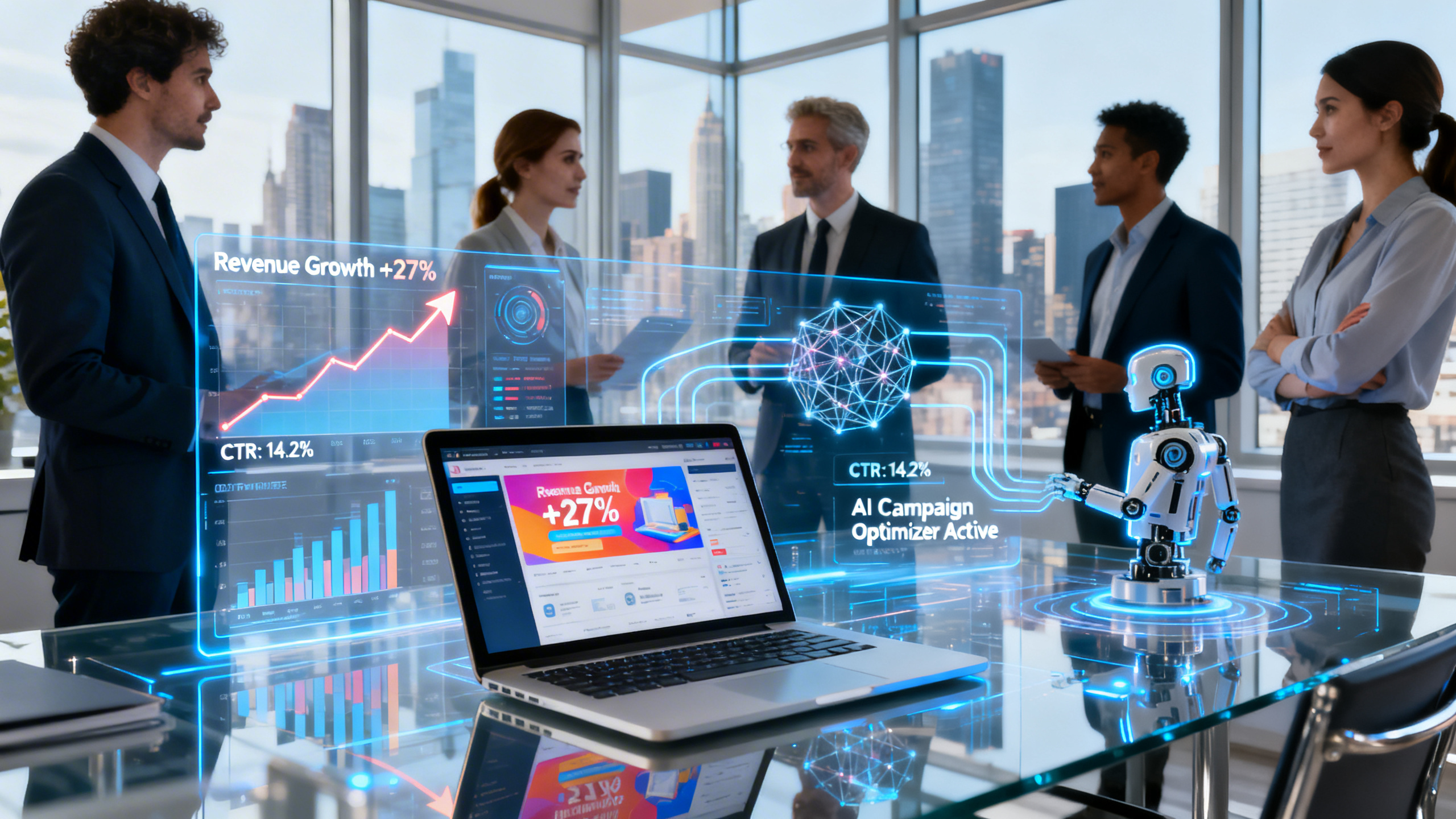
A leading consumer electronics brand recently integrated AI-driven forecasting into its campaign planning. By analyzing historical data alongside current engagement signals, the system identified which customer segments were primed for conversion and which channels delivered the highest return. Marketing leaders quickly reallocated spend, pulling back on underperforming tactics and doubling down where AI projected the strongest results. The shift led to a measurable improvement in campaign ROI—proof that predictive insights can turn marketing instincts into data-backed action.
Beyond attribution, AI is shaking up creative strategy. Algorithms analyze which content formats and messaging resonate with specific audiences, empowering teams to refine everything from subject lines to visual design. One luxury travel agency, for example, used AI to test dozens of personalized landing pages, learning that aspirational imagery outperformed “deal-focused” promotions among high-value customers.
Breaking Down Silos for Unified Journeys
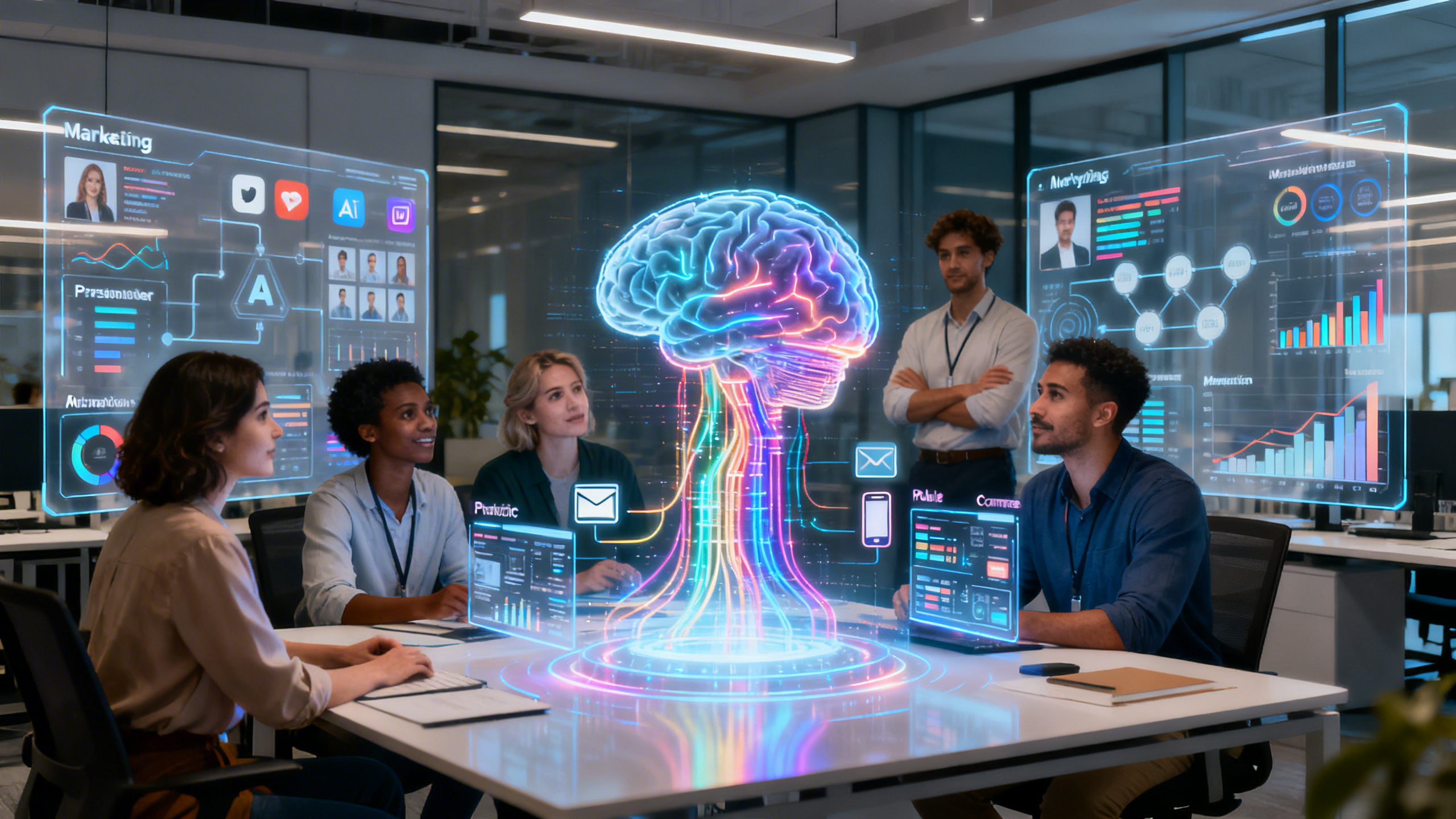
Integrating AI into marketing isn’t just about deploying new tools; it’s about transforming the entire customer journey. Forward-thinking teams are moving away from siloed campaigns toward a unified approach, where every interaction is informed by the same intelligent insights.
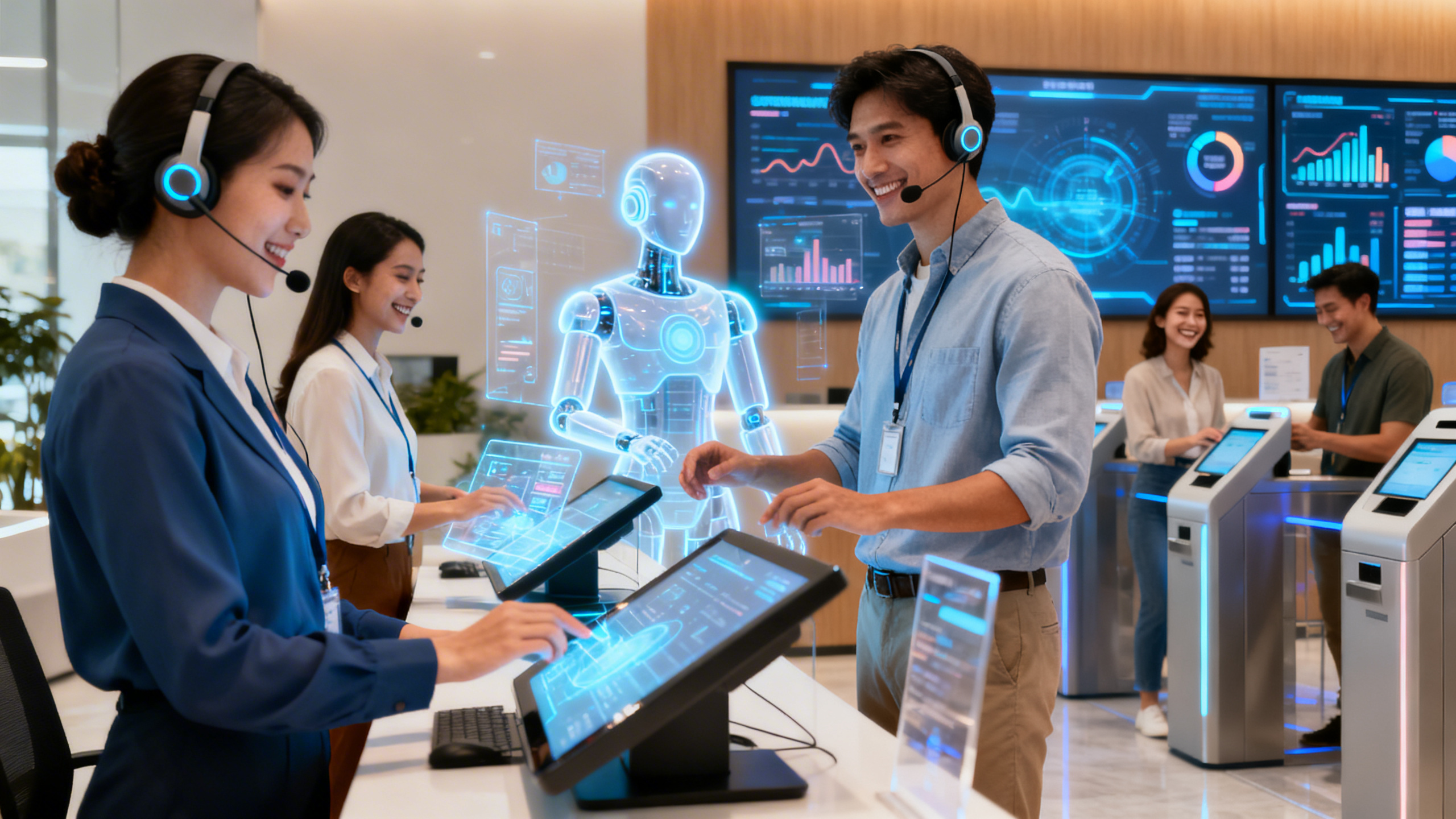
Consider how a major telecommunications provider unified its data streams—customer support logs, website visits, and purchase history—under a single AI-powered platform. Now, when a customer reaches out with a question, support teams see a holistic view of their profile, including potential upsell opportunities predicted by AI. Marketing, customer service, and sales all work from the same playbook, delivering a seamless experience that boosts both satisfaction and revenue.
This level of integration also extends to privacy and consent management. By automating compliance monitoring and customizing consent flows based on user behavior, marketers can ensure personalization never crosses the line into intrusion. Trust becomes a competitive advantage, not a regulatory hurdle.
Real-World Challenges and Smart Solutions
Of course, weaving AI into the fabric of marketing brings new challenges. Data quality remains a perennial concern; sophisticated algorithms are only as good as the inputs they receive. One mid-sized retail chain discovered this the hard way when inconsistent data across stores led to mismatched recommendations, highlighting the need for rigorous data hygiene.
Transparency is another sticking point. As AI systems make more decisions autonomously, companies are under pressure to explain their logic—especially when it impacts customer experience. Some brands are addressing this by building “explainability” features into their AI solutions, giving marketers and customers insight into why specific recommendations or predictions are made.
Finally, there’s the human dimension. While AI can automate and optimize, it can’t replace the creativity or empathy that defines great marketing. Teams that thrive in this new era are those that blend machine-driven insights with human intuition, using AI to inform—but not dictate—strategy.
New Habits for Marketers in the AI Era
To truly capitalize on AI’s potential, marketers are adopting new habits and mindsets:
- Continuous Experimentation: AI thrives on feedback. Teams are running more A/B tests, quickly interpreting results, and iterating strategies based on real-world outcomes.
- Cross-Functional Collaboration: Marketing now works hand-in-hand with data scientists, IT, and even customer service to unlock the full value of AI-driven insights.
- Customer-Centric Metrics: Success is measured not just by clicks or impressions, but by deeper indicators—lifetime value, satisfaction, and advocacy.
- Ethical Guardrails: Leading brands are proactively setting standards for responsible AI use, balancing personalization with respect for privacy.
The Road Ahead for Personalized Marketing
AI’s role in marketing is only accelerating. As technology matures, expect even more granular personalization—think hyper-local offers triggered by real-time events, or predictive content that adapts to a user’s emotional state. Marketers will continue to shift from reactive campaigns to proactive engagement, anticipating needs before customers articulate them.
Already, early adopters are seeing returns that go beyond short-term gains. Improved loyalty, higher conversion rates, and more efficient spend are just the beginning. The real transformation is cultural: businesses are reimagining how they relate to customers, moving from broadcast messages to meaningful conversations powered by data and empathy.
For brands willing to invest in quality data, transparent processes, and the right blend of human and machine intelligence, AI-driven personalization isn’t just a competitive edge—it’s fast becoming the new standard for marketing success.
Key Takeaways for Marketers Embracing AI Personalization:
- Leverage AI to deliver experiences tailored to each individual, not just segments.
- Use predictive analytics to inform budget allocation and creative direction.
- Break down organizational silos by integrating AI insights across departments.
- Prioritize data quality, transparency, and ethical use.
- Blend machine-driven recommendations with human creativity and judgment.
The AI revolution in marketing is no longer a distant future. It’s transforming campaigns, customer journeys, and ROI in ways that felt impossible just a few short years ago. Brands that adapt quickly—and thoughtfully—will set the pace for a new era of customer engagement.