













How AI Is Reshaping Cybersecurity Measures for Modern Businesses

" "
As businesses race to digitize every process, cyber threats have evolved from isolated incidents to persistent, complex risks capable of derailing entire operations. Security teams, already stretched thin by the sheer volume and sophistication of attacks, are increasingly turning to artificial intelligence to stay ahead. Rather than simply patching holes, the conversation has shifted: how can AI proactively defend, adapt, and learn in real time to secure digital assets?
New Tactics in Digital Defense
Organizations accustomed to traditional firewalls and antivirus software are now engaging with AI-driven defenses that adapt much like a living immune system. According to recent insights from IBM Security, enterprises are deploying AI to monitor millions of system events and sift genuine threats from harmless anomalies. Instead of drowning in alerts, cyber teams now rely on intelligent algorithms capable of recognizing subtle behavioral shifts—a sign that an employee’s credentials may have been compromised or that malware is lurking within the network.
It’s not uncommon for a financial firm to process thousands of transactions per minute, each one a potential target. When a lone fraudulent transfer slips through, the loss can be staggering. Modern AI tools, trained on vast datasets, recognize the faintest deviations—a transfer from an unusual location, an uncharacteristic transaction amount, or a login at an odd hour. The difference is clear: instead of waiting for a breach to occur, systems now flag and halt suspicious activity as it happens.
The Human-Machine Collaboration
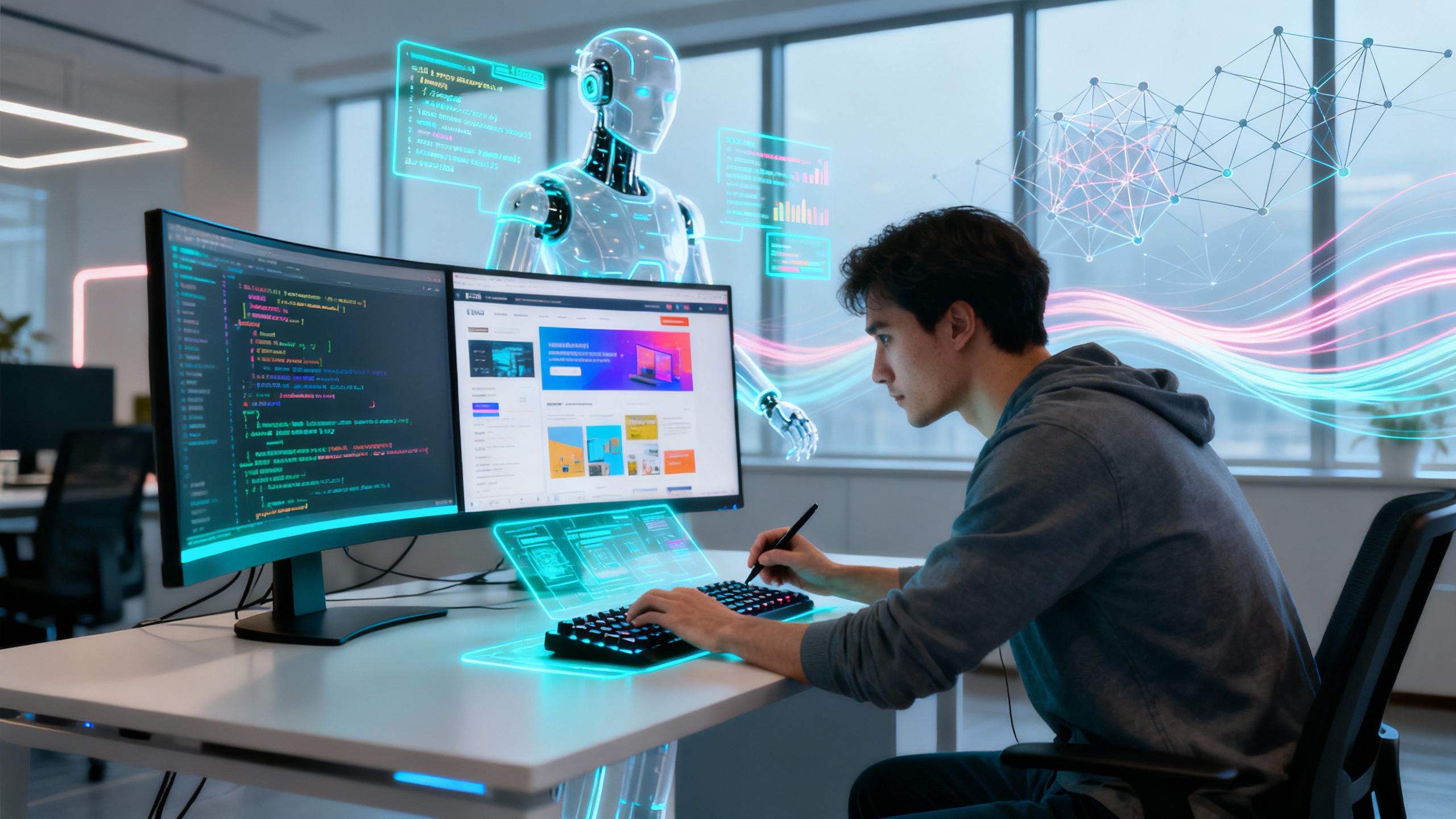
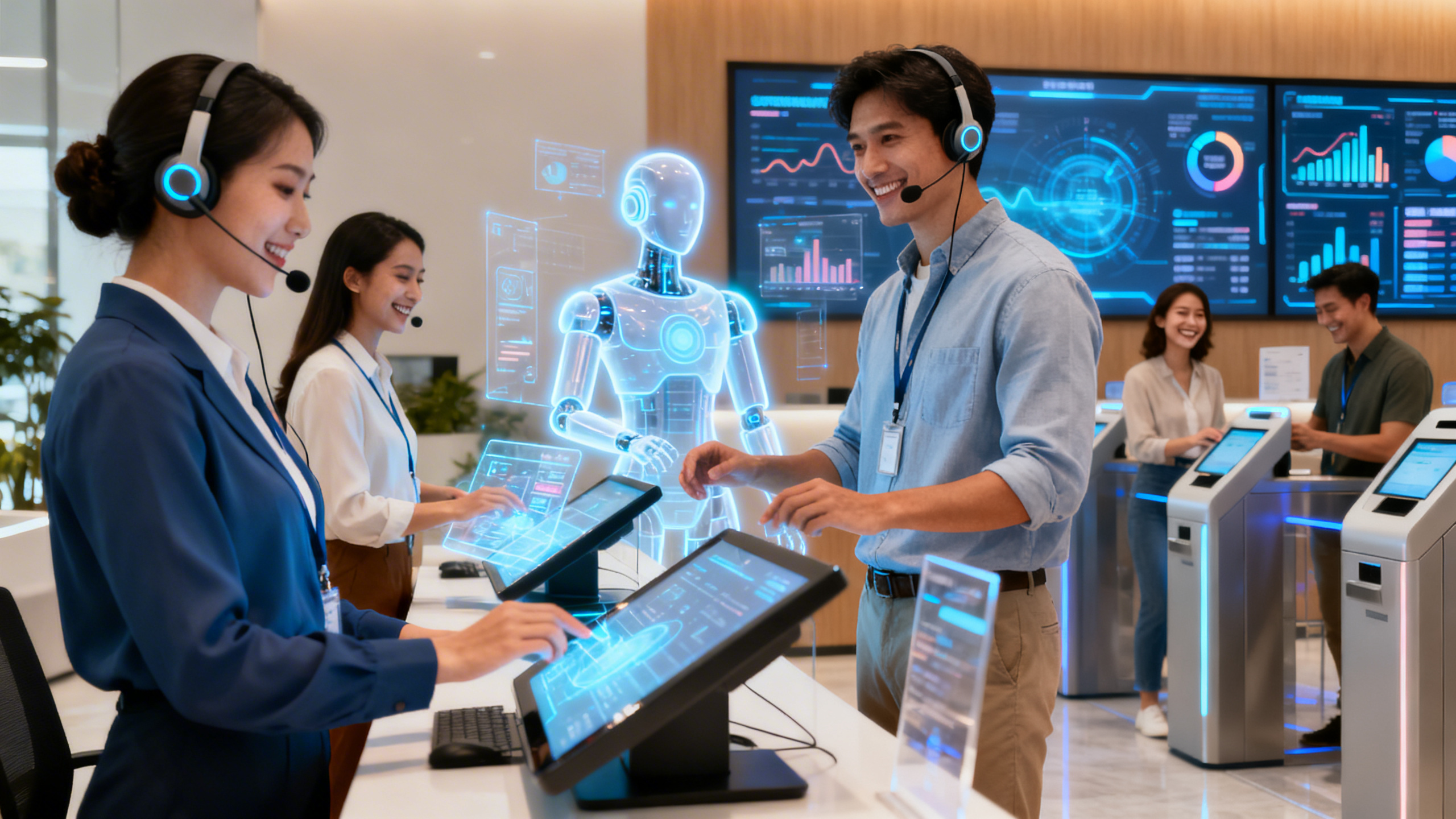
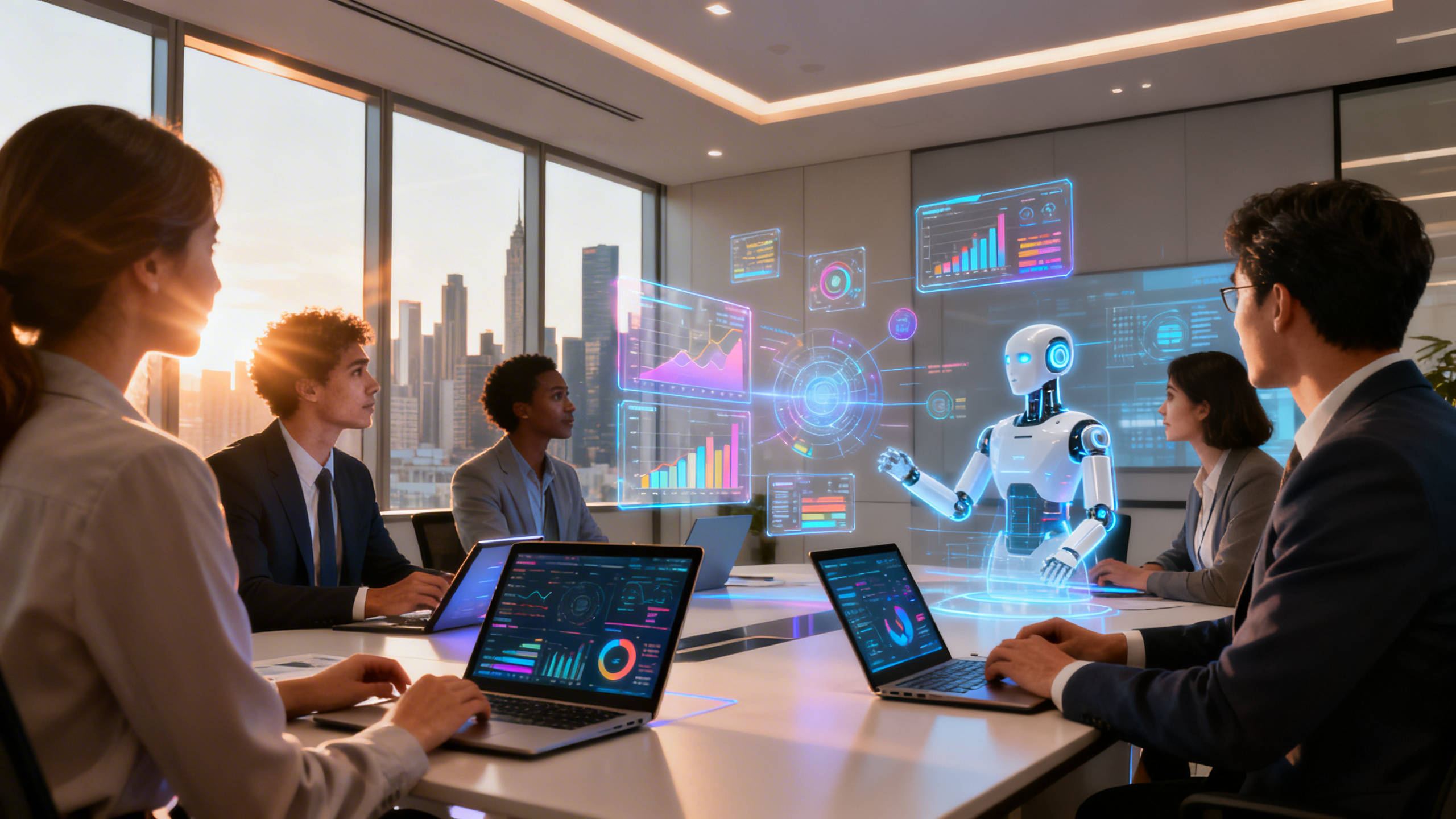
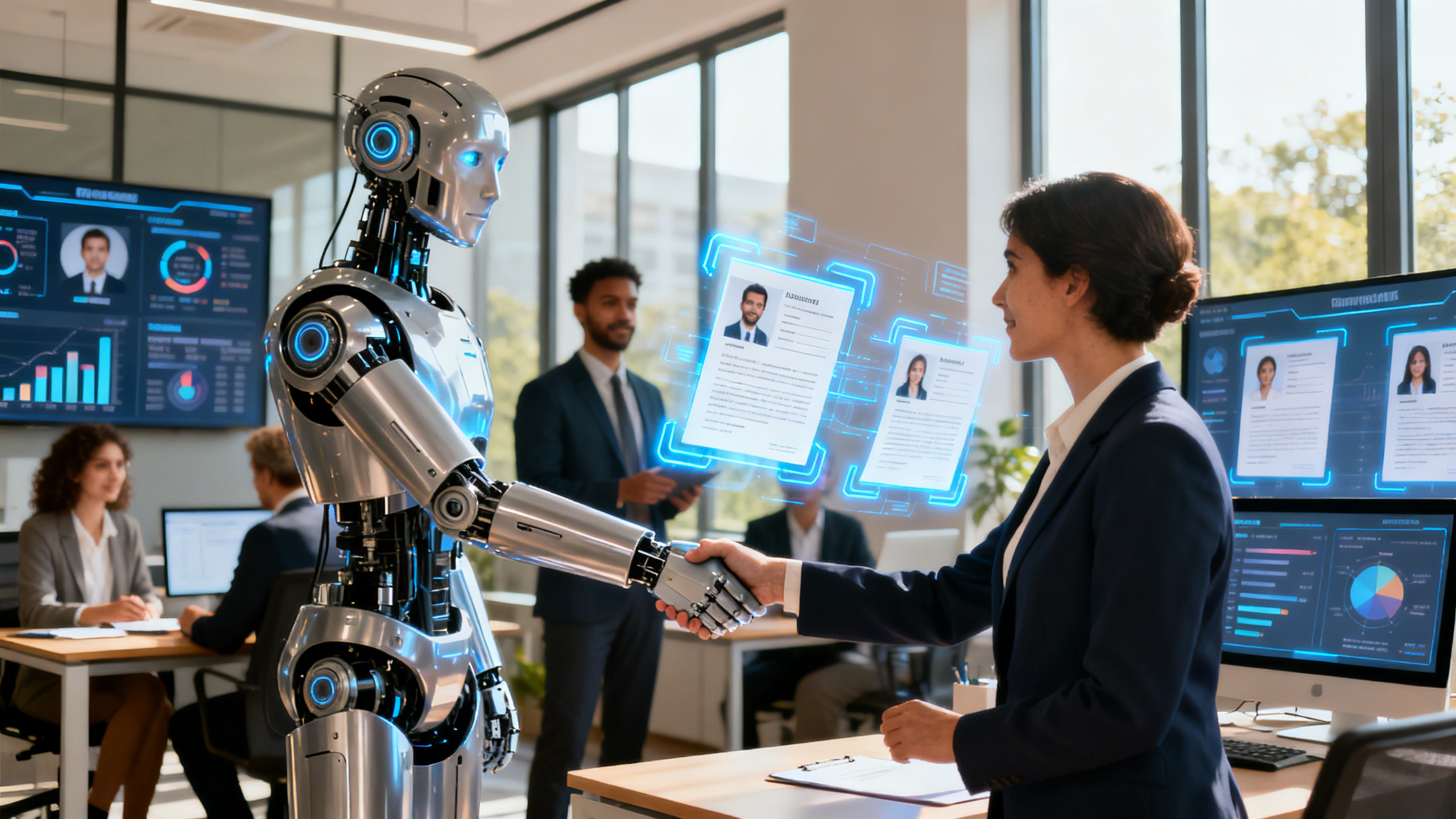
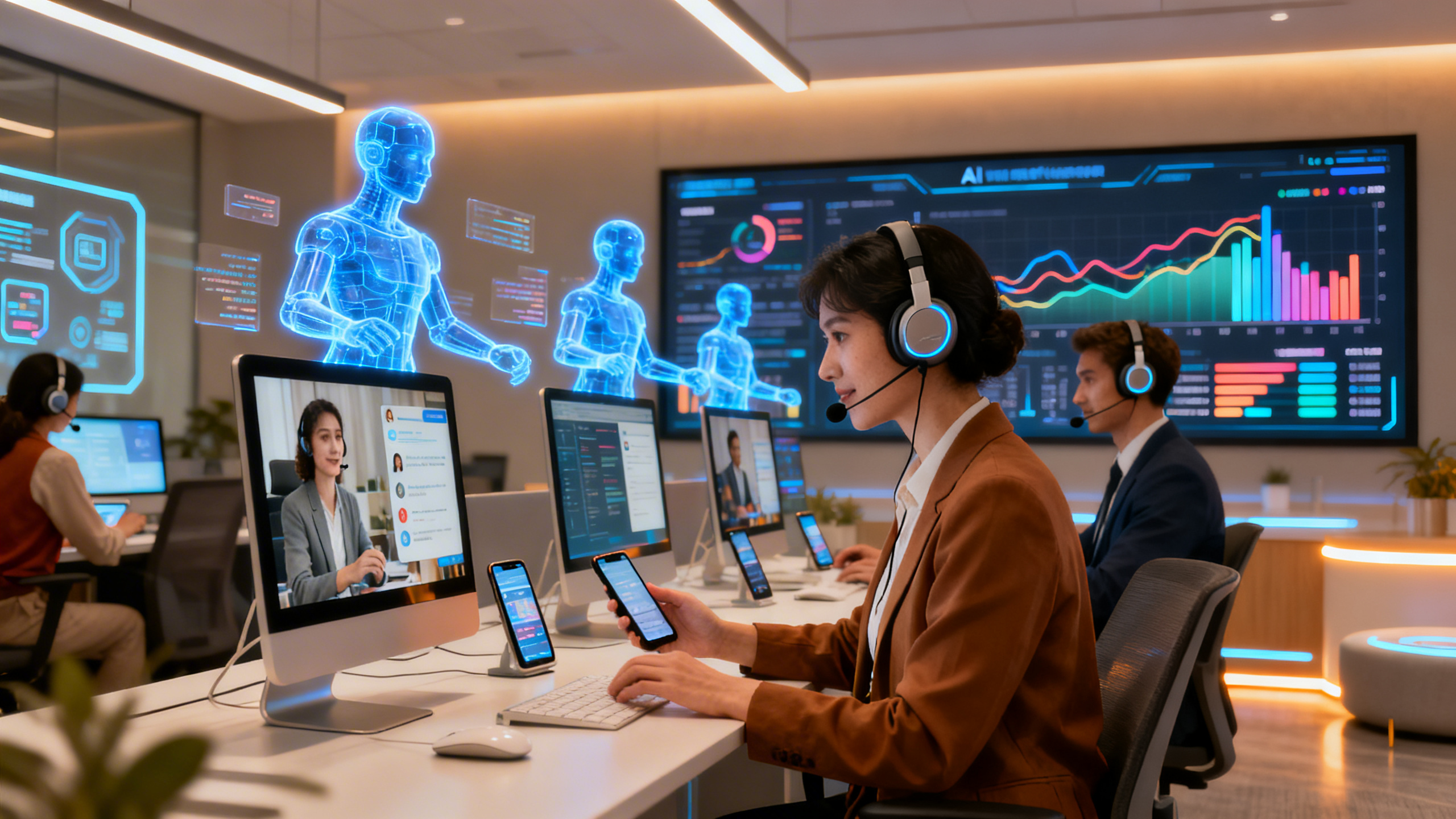
One persistent misconception is that AI will replace cybersecurity professionals. In practice, the most effective security operations blend human intuition with machine precision. AI systems handle the repetitive, data-heavy tasks—analyzing logs, flagging patterns, and prioritizing risk—while skilled analysts investigate, interpret, and make judgment calls.
A recent report from Palo Alto Networks describes how a healthcare provider leveraged AI to detect and isolate ransomware before it could encrypt sensitive patient files. The technology rapidly neutralized the threat, but it was the human team’s understanding of the hospital’s workflows that ensured critical systems remained operational throughout. This partnership between algorithms and experts reduces burnout, increases accuracy, and allows specialists to focus on creative problem-solving instead of endless monitoring.
Evolving Threats Demand Smarter Tools
As cybercriminals themselves adopt AI, the digital battlefield intensifies. Hackers now use machine learning to craft more convincing phishing emails and probe for vulnerabilities at scale. Security teams face a moving target—one that learns and adapts as quickly as they do.
To counter these advances, businesses are deploying AI solutions that get stronger with each attempted breach. When a retail chain encountered a wave of credential-stuffing attacks, its AI-driven defense recognized and blocked unusual login attempts from thousands of IP addresses, then retrained itself to spot similar patterns in the future. This self-improving cycle means that every new threat leaves the system smarter and more robust than before.
Building Trust Through Transparency
AI’s decision-making processes are often opaque, leaving security leaders wary of relying on black-box systems. In response, leading vendors are focusing on explainable AI, offering dashboards that clarify why certain events are flagged and how responses are determined. This transparency is critical for compliance, especially in regulated industries like finance and healthcare.
A logistics firm shared how its AI-based security platform provided detailed reasoning for every flagged transaction, allowing compliance officers to quickly audit and report on suspicious incidents. By making decisions traceable, organizations not only improve their defenses but also build trust with clients, partners, and regulators.
Practical Steps to Leverage AI in Your Security Strategy
For businesses considering AI-driven security, a few practical observations stand out:
- Start with clear objectives. AI excels at defined tasks—such as intrusion detection or anomaly recognition—but it needs guidance to align with company priorities.
- Invest in training and integration. Even the most advanced systems require skilled personnel to interpret results, manage alerts, and fine-tune algorithms.
- Adopt layered defenses. AI should augment, not replace, traditional controls like firewalls, encryption, and employee training.
- Regularly review performance. Security threats evolve, and so must your defenses. Continuous monitoring and adjustment ensure that AI remains effective.
The Changing Role of Security Teams
With AI taking on more routine analysis, security professionals are freed to focus on high-impact work: investigating complex incidents, developing new protection strategies, and communicating risks to the broader organization. This shift is already changing job descriptions, with demand growing for analysts who can interpret AI outputs and combine them with business context.
A technology startup recently shared how its security lead used AI-generated threat intelligence to brief leadership on emerging risks, translating technical details into actionable decisions. This new breed of security specialist acts as both interpreter and strategist, turning data into insight and action.
Navigating Ethical Challenges
Deploying AI in cybersecurity raises important ethical questions. Automated decision-making must balance speed with fairness—mistakenly blocking legitimate users or flagging benign behavior can disrupt business and erode trust. To address this, forward-thinking organizations are implementing oversight mechanisms and regularly auditing AI decisions.
According to industry analysts, the push for transparent and fair AI is driving new best practices. Businesses are now collaborating with external auditors and participating in industry groups to share findings and refine standards, ensuring that AI-driven security supports—not undermines—organizational values.
Staying Ahead in a Dynamic Landscape
No security solution can promise total immunity, but AI enables businesses to shift from reactive defense to proactive resilience. As attack techniques change, so too must the technologies and processes designed to counter them.
Companies with the foresight to embrace AI are already seeing dividends: fewer successful breaches, faster response times, and more empowered security teams. The path forward is not about replacing people with machines, but about forging a dynamic partnership where each amplifies the strengths of the other.
Everyday Business, Elevated Security
For the average business owner or IT leader, the challenge is not just technical—it’s strategic. Deciding where and how to integrate AI, selecting trusted partners, and upskilling teams are all critical steps. As one manufacturing CEO explained, implementing AI-enabled security wasn’t just a technology upgrade, but a cultural shift, requiring everyone from the shop floor to the executive suite to learn new protocols and embrace continuous improvement.
The digital age brings unprecedented opportunity and risk. With AI in their corner, businesses are not only defending themselves against today’s threats but are building adaptive, learning organizations equipped for whatever comes next. The question is no longer whether to harness AI for cybersecurity, but how boldly and thoughtfully it can be done to secure the future.