

























Front-End Development Trends Shaping Digital Experiences

" "
Front-end development is in the midst of a transformation that’s redefining how users interact with the web. As new tools and frameworks continue to emerge, developers are reimagining what’s possible for digital experiences. This year’s conversations are less about chasing the next shiny library and more about building smarter, resilient, and accessible interfaces that keep both users and creators in mind.
Let’s dive into the latest trends that are making waves in the front-end world, unpacking not just what’s new, but why it matters for businesses, creators, and end-users.
Smarter Frameworks, Leaner Workflows
Front-end frameworks have always been at the heart of rapid web innovation. Recently, a wave of updates has arrived across the ecosystem—React, Vue, and Svelte are all pushing for faster load times and more streamlined developer experiences. Framework authors are focusing on reducing JavaScript bundle sizes and leveraging server-side rendering for better performance.
A growing number of development teams are experimenting with Svelte for its “compile-time magic,” allowing them to write less code while delivering snappy, interactive apps. Meanwhile, updates in React’s ecosystem are driving adoption of features that simplify complex state management and make interactive UIs more approachable. The focus now is less on expanding feature lists and more on making those features easier and lighter, which is a noticeable shift from previous years.
Design Systems Take Center Stage
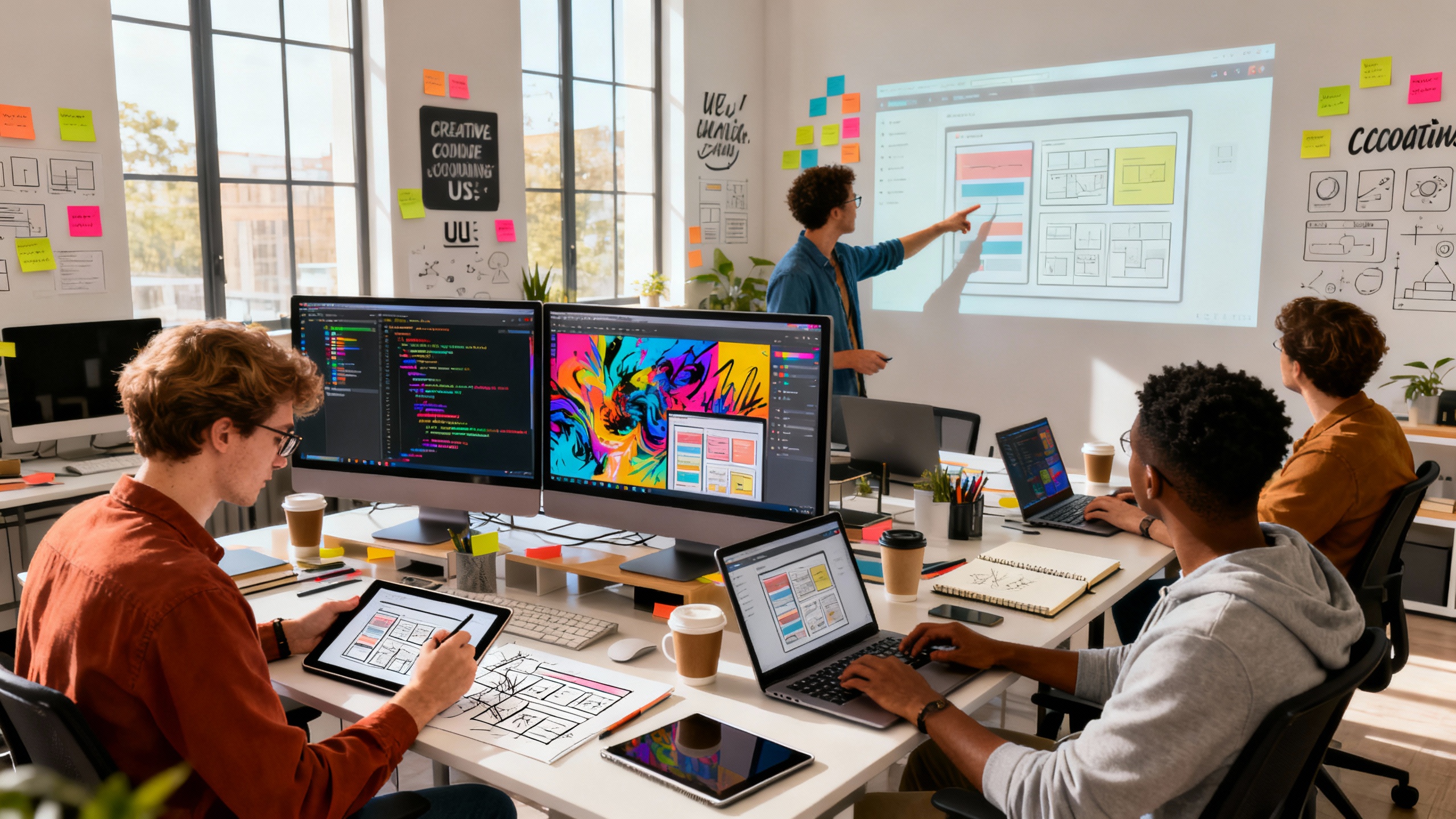
Organizations are increasingly investing in design systems—comprehensive collections of reusable components, patterns, and guidelines that keep brands consistent and interfaces accessible. The latest updates from leading design system tools like Storybook and Figma are making it easier for teams to scale and maintain design consistency.
A large e-commerce team recently shared how a robust design system helped them cut onboarding time for new developers by nearly half. By leveraging a shared library of accessible components, their products not only look cohesive, but also deliver a user experience that meets accessibility standards across regions and devices.
Key impacts of adopting modern design systems:
- Streamlined collaboration between designers and developers.
- Faster prototyping and iteration cycles.
- Fewer bugs and more predictable updates.
Accessibility Moves Into the Spotlight
One of the most significant shifts in front-end conversations is the renewed emphasis on accessibility. More tools now empower developers to audit and improve accessibility from the beginning, instead of tacking it on at the end. Recent guidance from accessibility experts is encouraging teams to consider color contrast, semantic HTML, and keyboard navigation as foundational rather than optional.
A freelance developer working with a major news outlet noticed a dramatic drop in user complaints after introducing automated accessibility checks in their workflow. Simple changes—like clearer focus states and ARIA labels—made the content usable for a broader audience, especially for those relying on assistive technologies.
Jamstack and Edge Computing Gain Traction
Performance is non-negotiable in user experience, and the Jamstack approach—decoupling the front-end from the back-end—continues to gain momentum. Developers are increasingly turning to static site generators and headless CMS platforms to build lightning-fast, scalable web applications.
Recent enhancements in edge computing allow content and logic to be delivered closer to users. A travel booking startup recently shifted their front-end to a Jamstack model and noticed a significant drop in bounce rates, especially from mobile users in regions with spotty connections. By offloading processing to the edge, they created a more resilient and responsive app, even for users far from traditional data centers.
Component-Driven Development Goes Mainstream
Component-driven development isn’t just for massive enterprise apps anymore. It’s becoming the norm for projects of all sizes. Developers are embracing the philosophy of building UIs as collections of isolated, reusable blocks, which leads to greater flexibility and fewer integration headaches down the road.
Modern tools now allow for real-time previewing and testing of components in isolation. This has helped reduce the “it works on my machine” problem, giving designers and developers a shared language for building and refining interfaces.
Benefits of this approach include:
- Faster iteration and feedback cycles.
- Easier onboarding for new team members.
- Greater consistency across products and platforms.
The Rise of Type Safety
Type safety in JavaScript is no longer just for enthusiasts. Tools like TypeScript are becoming a standard part of the front-end stack, helping catch bugs before they reach production. The most recent updates in TypeScript have improved integration with popular frameworks, making it easier to adopt even for teams with little prior experience.
One SaaS provider reported a noticeable reduction in post-launch bugs after introducing type-safe development practices. By catching errors during development, their engineers spent less time fixing issues and more time building new features for users.
Innovations in State Management
Managing state in complex applications continues to be a hot topic, but the landscape is shifting away from heavyweight solutions toward lighter, more modular tools. Libraries that prioritize simplicity and composability are gaining ground, allowing developers to manage global and local state without the overhead of bloated boilerplate.
A small startup shared how switching to a minimalist state management library cut their front-end codebase by nearly a third. The result was not only cleaner code, but also a more responsive app as unnecessary re-renders were eliminated.
Focus on Web Performance and Core Web Vitals
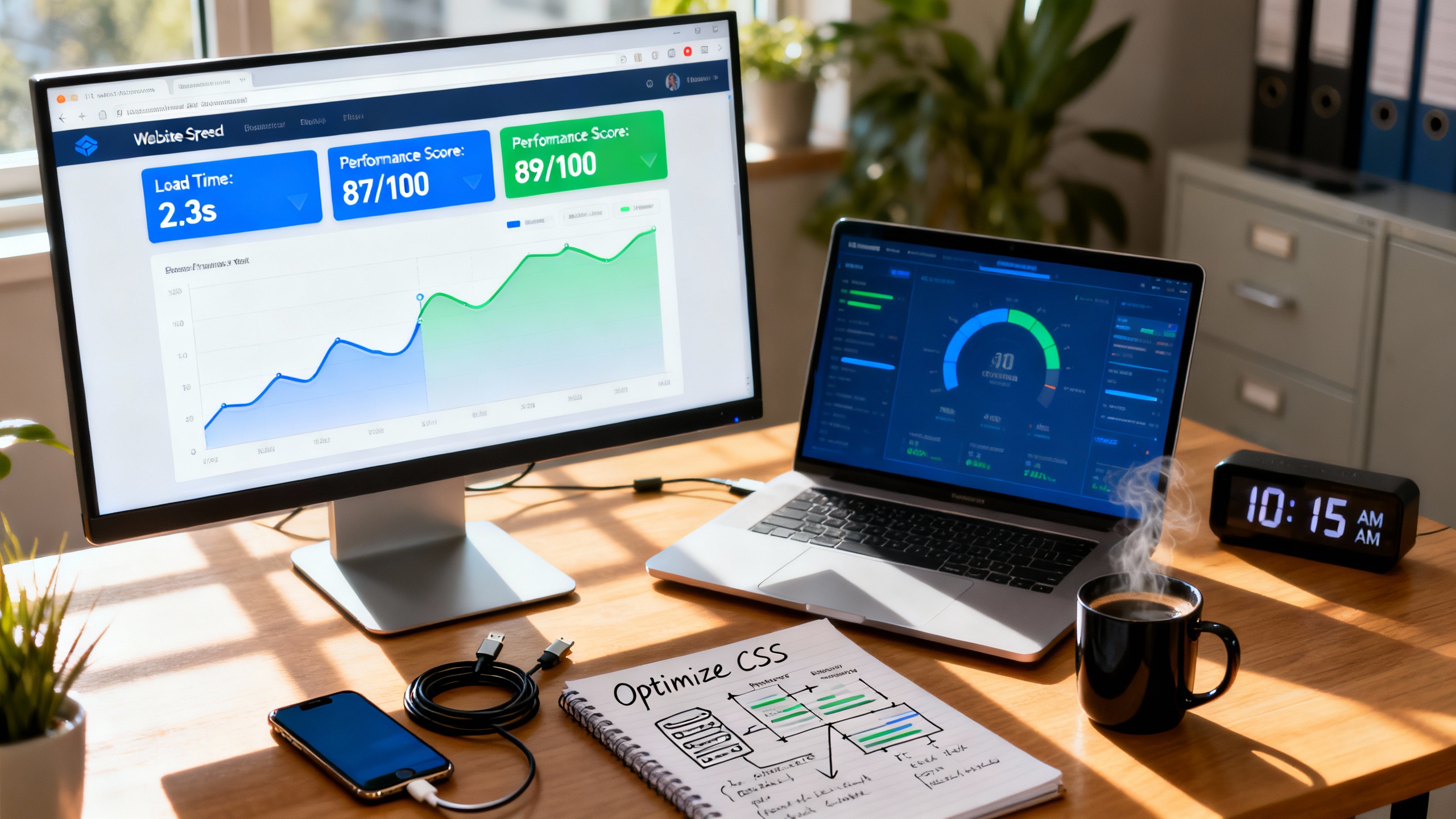
Web performance has entered the mainstream, with Core Web Vitals now shaping how search engines rank sites. Developers are increasingly focused on metrics like Largest Contentful Paint and Cumulative Layout Shift, using modern build tools to optimize images, fonts, and scripts.
Retailers have found that even slight improvements in these metrics can positively influence conversion rates. One fashion retailer optimized their image loading strategy and saw measurable gains in both engagement and sales, especially among mobile shoppers.
Micro-Frontends: Scaling Teams and Features
As applications grow, so do the teams behind them. Micro-frontends—splitting a monolithic front-end into smaller, independently deployable pieces—are becoming the solution for scaling development without creating bottlenecks. This approach lets multiple teams ship features in parallel, reducing friction and increasing velocity.
A financial services company implemented micro-frontends to enable specialized teams to work on separate products without stepping on each other’s toes. The payoff was faster release cycles and a more resilient architecture, allowing the business to pivot quickly as market needs changed.
Future-Proofing with Progressive Web Apps
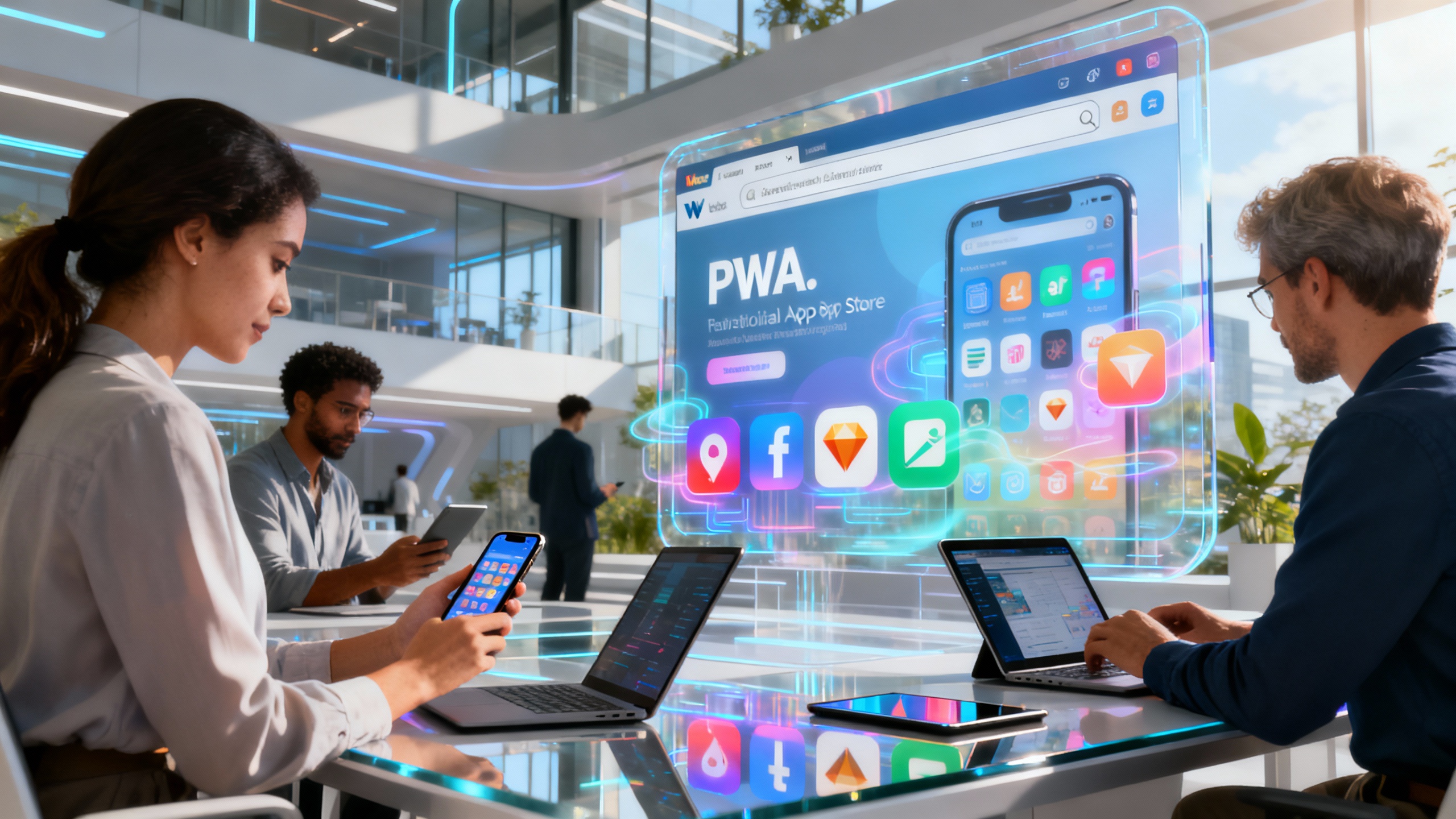
Progressive Web Apps (PWAs) are again in focus as businesses look to deliver app-like experiences without the friction of app store downloads. The latest updates from browser vendors have made installing and using PWAs more seamless, with improvements in offline support and push notifications.
Food delivery services have leaned into PWAs to reach users in areas with unreliable connectivity. By making key features available offline, these services maintain user engagement even when the network drops, building brand loyalty in the process.
Developer Experience Gets an Upgrade
The tools developers use are evolving just as quickly as the apps they build. Modern editors now come equipped with AI-assisted code completion, real-time feedback, and integrations with deployment platforms. This is making development smoother, faster, and less error-prone.
A mentor at a coding bootcamp noted that students today can build and deploy functional apps in a fraction of the time it used to take, thanks to these new tools. The low barrier to entry is bringing more diverse voices into the field, enriching the community and accelerating innovation.
Sustainable Code Practices Take Root
Sustainability is making its way into front-end conversations, not only in code but also in the energy use of the apps themselves. Developers are optimizing for lower resource consumption, reducing unnecessary dependencies, and building with longevity in mind.
A nonprofit tech organization recently overhauled their site to minimize carbon emissions from digital operations. By slimming down assets and adopting efficient hosting, they aligned their digital presence with their mission, inspiring other nonprofits to consider similar steps.
Real-Time Collaboration Features Evolve
Collaboration is no longer limited to back-end systems; front-end developers are now integrating real-time features directly into web apps. Tools like WebSockets, combined with modern frameworks, are unlocking new possibilities for interactive editing and communication.
A project management platform introduced live collaboration on dashboards, allowing teams to edit and comment simultaneously. This feature quickly became a favorite among remote workers, showing the value of responsive, shared digital spaces.
Security by Design
Security concerns are now intertwined with every aspect of front-end development. The latest guidance encourages secure defaults in frameworks and better safeguards for sensitive user interactions.
A fintech startup made news by rolling out a new front-end security audit process, catching several potential vulnerabilities before launch. This proactive approach built trust with users and partners, demonstrating that strong digital experiences are inseparable from security.
Embracing the Human Element
The most striking trend is the shift toward front-ends that feel more human. Developers and designers are focusing on micro-interactions, contextual feedback, and personalized journeys to create interfaces that delight rather than frustrate.
A language learning app redesigned their quiz interface, adding subtle animations and tailored encouragement. User engagement soared, showing that thoughtful details can turn everyday interactions into memorable moments.
Wrapping Up the Shifts
Front-end development is more dynamic and user-focused than ever. Teams are blending cutting-edge technology with empathy, scalability, and sustainability. The strongest projects are those that adapt to changing needs—lean frameworks, accessible design, performance, and secure, collaborative experiences are all converging to define the future of the web.
For those building the next generation of digital experiences, keeping pace with these trends isn’t just about following the crowd. It’s about crafting solutions that are fast, inclusive, and resilient—qualities that set great products apart in an ever-evolving landscape.