





















Rethinking Recruitment: How AI Personalizes the Talent Journey

" "
Hiring and nurturing top talent have always been at the heart of a thriving organization. Yet, for many HR professionals, the process has felt like navigating a maze—resumes pile up, interviews blur together, and the search for the perfect fit sometimes feels endless. Now, artificial intelligence is quietly rewriting the rules, not just by making things faster, but by fundamentally reshaping how people and opportunities connect.
Recruitment Moves Beyond the Resume
Traditionally, recruiters would scan hundreds of applications hoping key skills would leap off the page. Now, AI-powered platforms analyze candidate profiles with a depth no human could match in a single sitting. These systems go beyond buzzwords, parsing work history, education, and even subtle signals from cover letters to match applicants to roles where they are likely to thrive.
According to recent insights from HR tech leaders, advanced algorithms now evaluate not only direct experience but also transferable skills and learning agility. For instance, a candidate who’s successfully led volunteer projects may catch the eye for leadership development roles, even if they’ve never managed a team in a corporate setting. This shift is already helping companies uncover hidden gems in their applicant pools—people who might have been overlooked by traditional screening methods.
Smoothing Out Bias, Enhancing Fairness
One of the most persistent challenges in hiring has been unconscious bias—those subtle preferences or assumptions that can seep into decisions. AI, when thoughtfully designed and regularly audited, can help level the playing field. Many organizations now use anonymized initial screenings, where names, schools, and other identifying details are hidden from recruiters until later rounds. The result is a fairer process that gives every applicant a shot based on their true abilities.
Professional networks have seen measurable shifts since integrating AI into their recruitment pipelines. For example, a major global firm recently shared that diverse hires had increased significantly after deploying an AI-based screening tool. Employees from varied backgrounds now find themselves in roles that were once less accessible, opening doors to a wider range of perspectives within teams.
Real-Time Feedback Transforms the Candidate Experience
Anyone who has endured the “black hole” of job applications knows the frustration of never hearing back. AI is starting to turn this around. Smart platforms now offer real-time updates throughout the hiring process, letting candidates know their application status and even sharing brief, constructive feedback.
This transparency not only eases anxiety but also helps applicants improve their chances in future roles. One job seeker recounted applying to a tech company’s developer track and, though not selected, received a personalized note highlighting strengths and areas for growth. Within weeks, she leveraged that advice to secure a new opportunity elsewhere—proof that thoughtful AI-driven communication can make the job search feel a little more human.
Talent Management Gets Proactive
Recruitment is just the first step. Once people join an organization, AI is increasingly guiding their journeys from onboarding to career development. Platforms now track performance data, engagement levels, and skills assessments, creating dynamic profiles for each employee. With these insights, HR teams can spot rising stars, identify those who need support, and recommend training tailored to individual ambitions.
Some companies are even using predictive analytics to forecast which roles may become hard to fill or which employees might be flight risks. Armed with this knowledge, managers can have proactive conversations, offer growth opportunities, and strengthen retention—all before a problem arises.
A global retailer recently leveraged AI to map out internal career paths for thousands of employees. By analyzing success stories from previous promotions, the system now suggests personalized learning plans and job openings to staff across all locations. Employees report feeling more invested in their future, knowing their company is committed to their growth.
Saving Time Without Losing the Human Touch
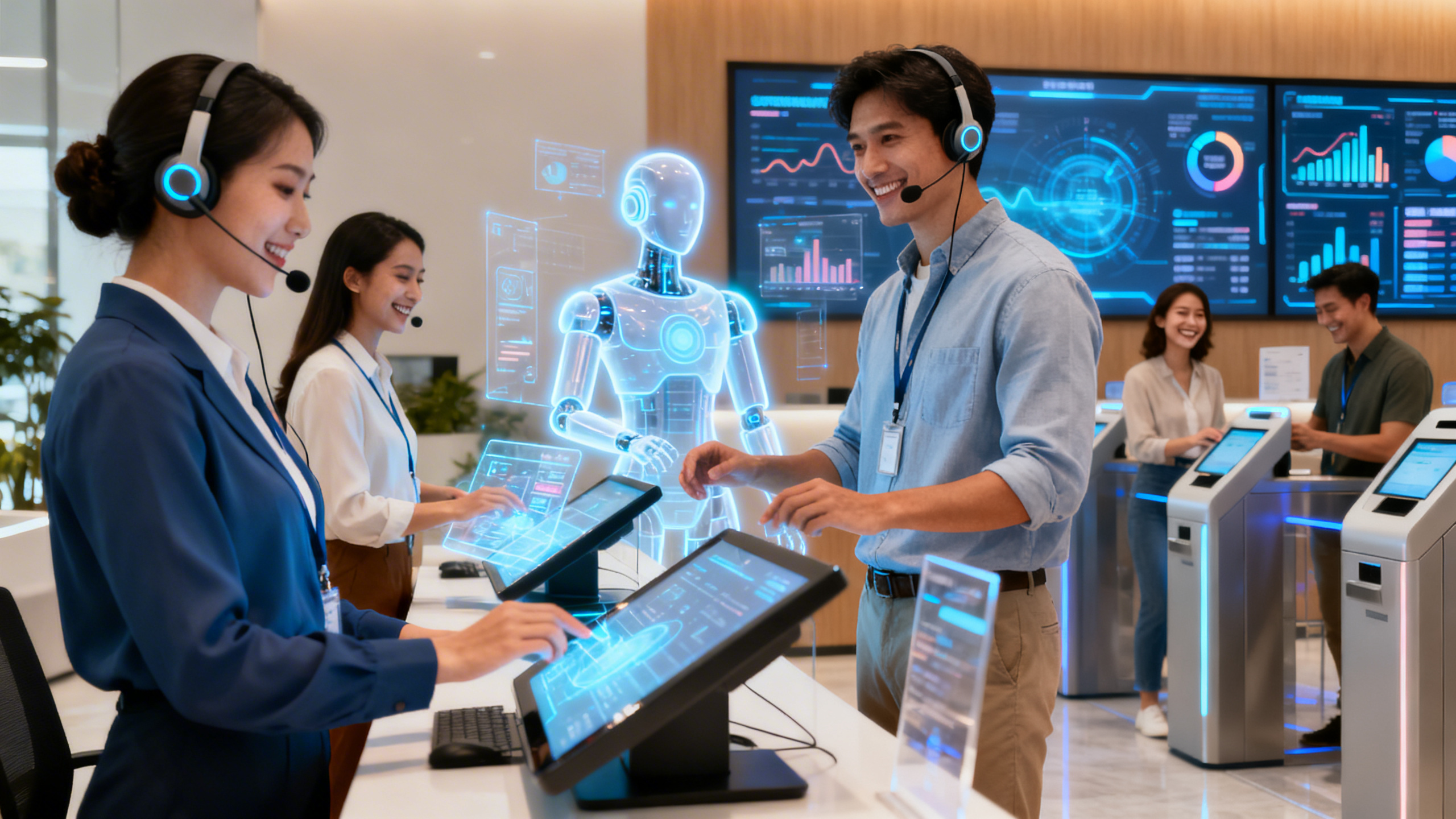
While AI brings speed and efficiency, leading HR teams stress the importance of balance. Automation handles repetitive tasks—scheduling interviews, screening resumes, or administering skills tests—freeing up human professionals to focus on what they do best: building relationships, understanding motivations, and making nuanced decisions that technology can’t replicate.
For instance, a healthcare organization recently automated the initial screening for nursing positions. This freed up recruiters to spend more time with candidates during final interviews, deepening their understanding of each applicant’s values and bedside manner. The result was not just faster hiring, but better matches and higher retention rates.
Navigating Challenges and Setting Guardrails
No technology is perfect, and AI in HR comes with its own set of challenges. If algorithms are trained on biased data, they can reinforce existing disparities rather than eliminate them. That’s why progressive organizations are investing in regular audits and collaborating with experts to design fair, transparent systems.
Additionally, candidates increasingly expect to know how decisions are made. Leading companies now share information about how their AI platforms work, what data is considered, and how human judgment factors into final decisions. This transparency builds trust and signals a deeper respect for applicants’ dignity.
The Rise of Skills-First Hiring
A notable shift underway is the movement away from credential-centric hiring. AI now helps organizations prioritize relevant skills over traditional markers like degrees or prior job titles. This change is especially meaningful for career-switchers and those entering the workforce through unconventional paths.
A software firm recently revamped its hiring process to focus on coding ability, communication, and collaboration, rather than formal qualifications. Using AI-driven assessments, the company uncovered several standout applicants who lacked computer science degrees but excelled in real-world problem-solving. These hires have since become key contributors, demonstrating that potential can come from unexpected places.
Building a More Inclusive Future
AI doesn’t just streamline processes—it has the potential to open doors for people who have historically faced barriers to entry. Automated tools can accommodate candidates with disabilities by offering accessible assessments and flexible scheduling. Some platforms even adapt interview questions to align with neurodiverse thinking patterns, allowing every applicant to showcase their strengths.
A national nonprofit recently adopted AI-driven tools to expand its outreach to rural communities. By analyzing local talent markets and customizing job postings, the organization connected with candidates who might otherwise have been missed. This approach not only diversified the talent pool, but also helped the nonprofit better serve a wider range of communities.
Actionable Insights for Organizations and Job Seekers
- Invest in transparent, regularly audited AI tools to reduce bias and build trust with candidates.
- Prioritize skills and potential over rigid credentials to tap into broader talent pools.
- Automate routine tasks so HR teams can focus on meaningful interactions and deeper evaluation.
- Provide clear, timely feedback to candidates to improve their experience and build goodwill.
- Continuously review and update AI models to ensure they reflect evolving workforce needs.
Human-Centric Innovation in Practice
At its best, AI in HR isn’t about replacing people—it’s about empowering them. By automating tedious processes and surfacing deeper insights, these tools give both job seekers and employers a fairer shot at success. The most innovative organizations are those that blend smart technology with empathetic human judgment, crafting hiring and talent management journeys that are as personal as they are efficient.
As companies and candidates alike adapt to these changes, the path from first application to thriving team member grows more transparent, inclusive, and dynamic. And for anyone who’s ever searched for the right fit—or the right person—it’s a welcome evolution in the world of work.