









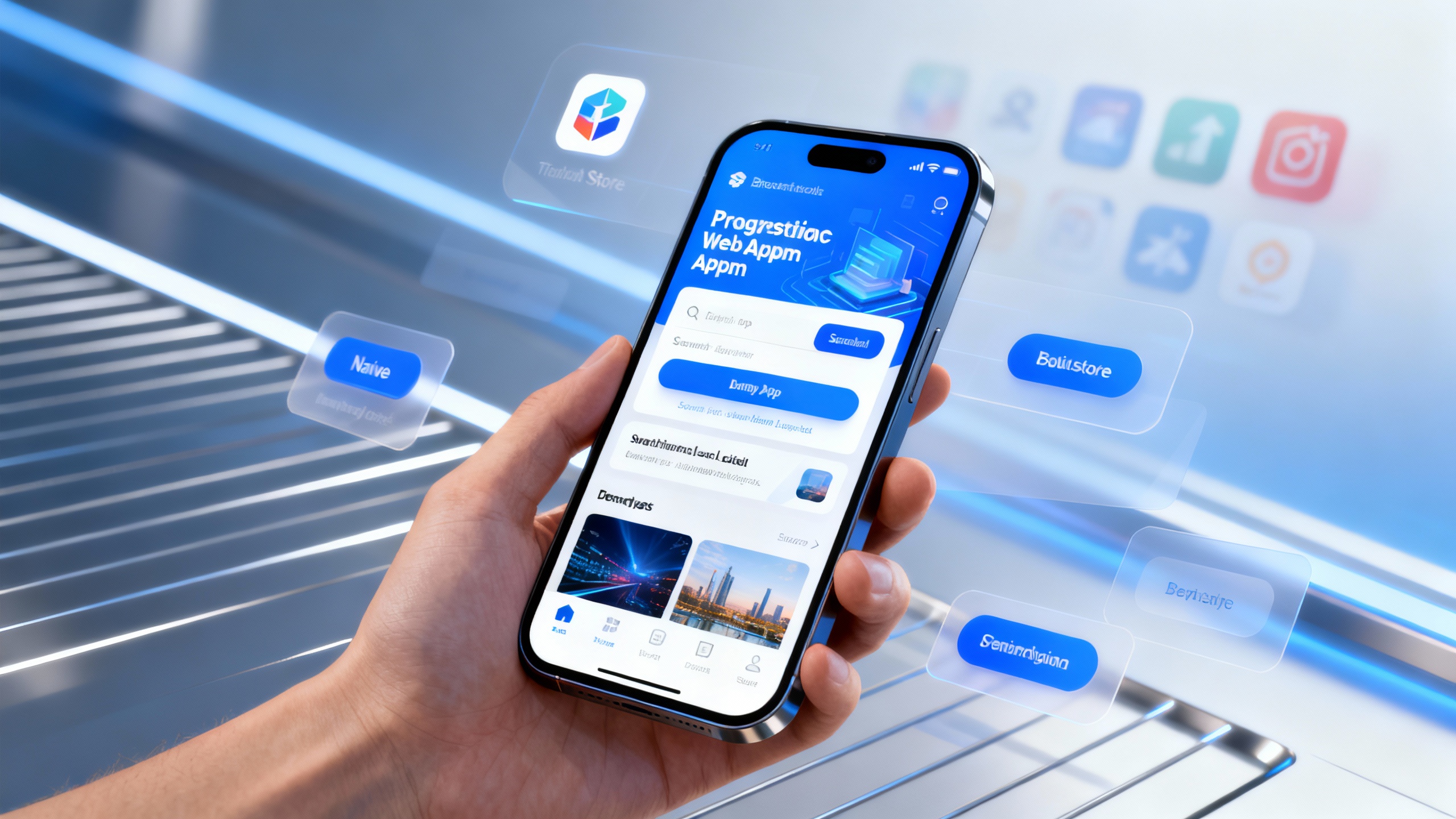












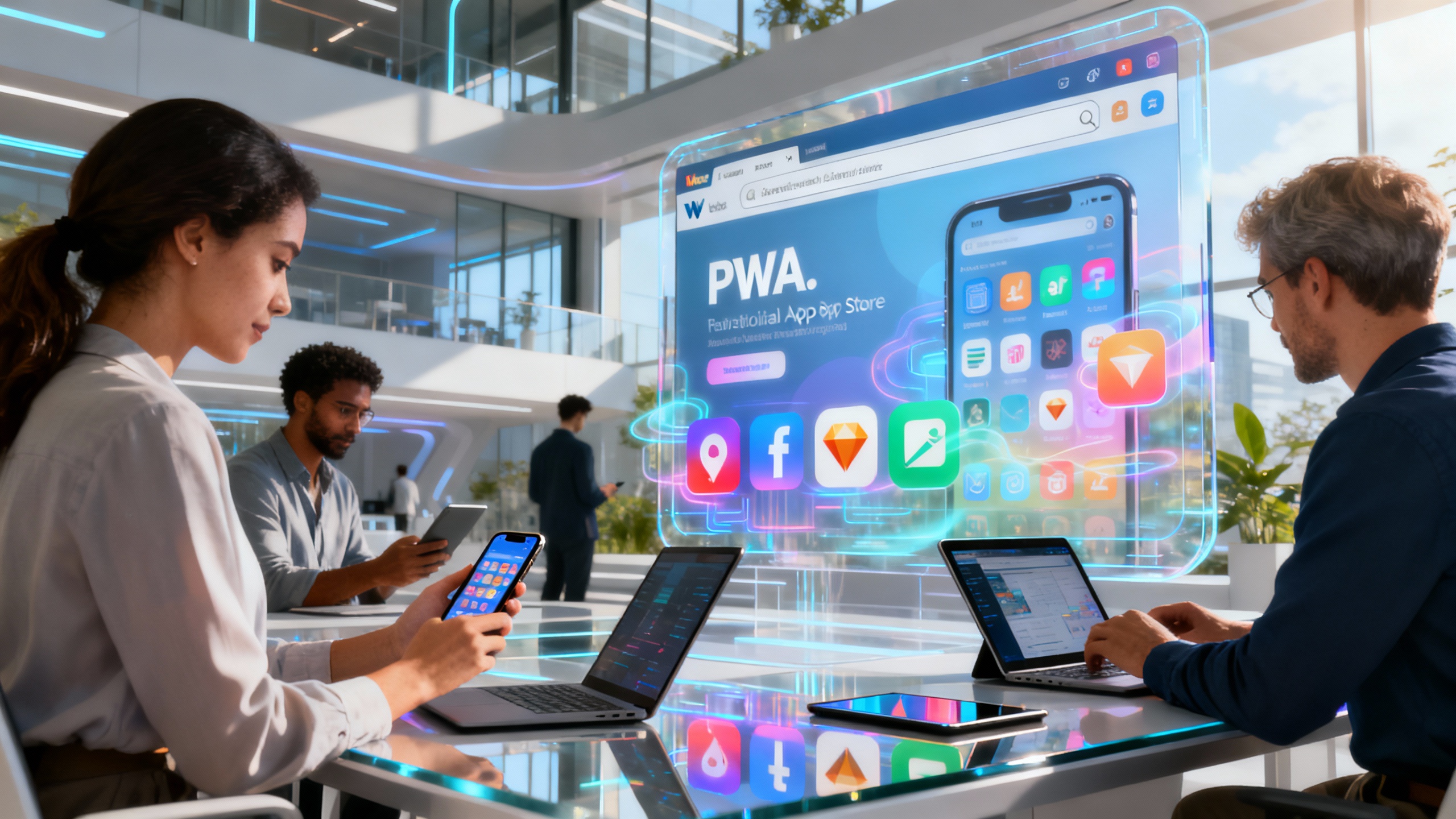
















Beyond the App Store: How Progressive Web Apps Are Reshaping Digital Experience

" "
Progressive Web Apps (PWAs) are making waves far beyond the world of tech insiders. As digital habits shift and expectations rise, businesses and consumers alike are discovering that these browser-based apps offer a compelling alternative to the traditional mobile experience. But what’s really driving the momentum behind PWAs, and how are they changing the way we engage with technology every day?
Breaking Free from Download Fatigue
It’s no secret that app fatigue is real. The average smartphone user is inundated with prompts to download yet another app, most of which end up forgotten in a matter of weeks. PWAs have emerged as a direct response to this overload. Accessible directly from the browser, they sidestep the app store entirely, offering instant engagement without the friction of installation.
A recent surge in retailer adoption highlights this trend. According to insights from industry leaders, major brands have begun rolling out PWAs that replicate the immersive experience of native apps, but with a fraction of the development overhead. This move isn’t just about convenience—it's about meeting customers where they already are, eliminating barriers to entry, and reducing the time between discovery and action.
One tech retailer, for example, saw a notable uptick in user sessions and conversion rates after transitioning its main storefront to a PWA interface. Shoppers could add items to their carts, receive real-time notifications, and even complete purchases offline thanks to advanced caching. The shift not only streamlined the shopping journey but also led to significant reductions in customer support queries related to app issues.
Speed and Reliability at the Core
Ask any user what frustrates them most about browsing on mobile, and “slow load times” tops the list. PWAs are engineered to address this problem head-on. Utilizing service workers—scripts that run in the background—these apps store key resources locally, drastically reducing load times and ensuring that content is available even on shaky connections.
This technology has proven transformative for news organizations and content publishers. Several media outlets have reported that after launching PWAs, bounce rates on mobile dropped dramatically, while user engagement metrics soared. Readers can now access headlines and articles even when commuting underground or moving through areas with spotty coverage. In many cases, they receive personalized content updates as soon as they regain connectivity, keeping them engaged in ways that traditional web pages simply can’t match.
Accessibility Without Compromise
The democratization of digital services is one of the most promising aspects of PWAs. Because they’re built on open web standards, they work seamlessly across devices and operating systems. Whether someone is using an entry-level Android device or the latest iPhone, the experience is consistent and reliable—no hefty downloads, no long updates, no compatibility headaches.
For emerging markets, this accessibility is more than a convenience; it’s a lifeline. In regions where high-speed data is expensive or unreliable, PWAs offer a lightweight, resource-efficient way to bridge the gap. NGOs and educational platforms have leveraged this technology to reach students and communities that were previously out of reach. Stories abound of schoolchildren accessing interactive lessons from shared devices, all without needing to install or update anything.
Security and User Trust on the Rise
Security is at the heart of the PWA movement. Because they are served via secure HTTPS connections and leverage modern web APIs, PWAs benefit from the latest advancements in browser security. Sensitive data is protected, and users have greater transparency and control over permissions—unlike some native apps that request access to contacts, location, or camera without clear justification.
Recent developments in browser capabilities have further strengthened trust in PWAs. Browser vendors have introduced features such as granular notification controls and improved sandboxing, limiting the potential for abuse. As a result, businesses find it easier to reassure users that their privacy is respected, while users gain peace of mind that they’re not trading security for convenience.
The Business Case for Going Progressive
For organizations weighing where to invest their digital budgets, PWAs offer a compelling return. Development costs are lower than building separate native apps for multiple platforms, yet the reach is universal. Updates roll out instantly—no need to wait for app store review processes or for users to manually update their software.
Even small businesses are reaping the rewards. A local restaurant, for instance, shifted from a basic HTML site to a fully-featured PWA. Customers now check menus offline, place pickup orders, and receive order-ready notifications—all without visiting an app store. The transition didn’t just improve customer satisfaction; it also led to a steady increase in repeat visits and word-of-mouth referrals.
Key factors driving businesses toward PWAs:
- Lower development and maintenance costs
- Faster rollout of new features
- Wider reach across devices and platforms
- Better SEO visibility compared to native apps
- Enhanced engagement through push notifications and offline access
Shifting the Mobile Landscape
It’s easy to see why the buzz around Progressive Web Apps is growing louder. As mobile usage continues to eclipse desktop, the need for fast, reliable, and accessible digital experiences has never been greater. PWAs meet these demands with an agility that traditional apps often can’t match.
Recent launches by global companies signal that this is more than a passing trend. Tech giants and startups alike are moving to incorporate PWA strategies into their long-term plans, often citing the ability to rapidly iterate and respond to user feedback as a decisive advantage.
Everyday Impact: Stories from Real Users
For individuals, the value of PWAs becomes clear in daily routines. One commuter, for example, relies on a transit schedule PWA to plan trips in a city where underground stations lack reliable data. The app loads instantly, provides up-to-date service alerts even when offline, and never nags for updates or storage space. It’s become a fixture in the commuter’s digital toolkit, replacing not just old-school paper schedules but also a succession of buggy native apps.
Healthcare providers have also embraced PWAs. A clinic serving a rural community rolled out a scheduling PWA, allowing patients to book appointments, access test results, and receive health reminders from any device. The feedback was immediate: patients appreciated the reduced wait times and the ability to manage care without the burden of installing new software. For many, this shift represented a tangible improvement in overall well-being.
Innovation Beyond the Hype
While the promise of PWAs is substantial, the reality is that the technology is still evolving. New capabilities—such as background sync, advanced payment integration, and richer media support—are rolling out incrementally through browser updates. Developers are experimenting with creative ways to leverage these features, building experiences that rival, and sometimes surpass, what’s possible with native apps.
One promising direction involves blending PWA capabilities with emerging trends like augmented reality and machine learning. Retail brands are using PWAs to offer interactive product demos right from the browser, while language learning platforms have introduced features that personalize content based on user behavior, all within a single, lightweight web app.
Challenges and Growing Pains
No technology is without its hurdles. Some platforms and devices still impose limitations on what PWAs can do, particularly regarding background processes and advanced hardware access. While browser support continues to improve, a handful of legacy systems lag behind, creating occasional gaps in experience.
Despite these challenges, momentum is on the side of progress. Community-driven efforts and industry collaboration are accelerating the closing of these gaps. Browser vendors are listening to developer feedback and rolling out updates that bring PWAs ever closer to parity with native apps.
Empowering the Next Generation of Digital Creators
Perhaps the most exciting aspect of the PWA revolution is the democratization of app creation itself. By lowering technical barriers, more individuals and small teams can bring their ideas to life and reach global audiences. Creative entrepreneurs are building everything from fitness trackers to collaborative writing tools, confident that their work will run smoothly on any device, anywhere.
This accessibility fuels innovation at a grassroots level. A group of students, for instance, designed a PWA for coordinating volunteer efforts in their city, allowing users to sign up for shifts, receive reminders, and share stories—all from a single, universally accessible web page. The project grew rapidly, attracting support from local businesses and community leaders impressed by its reach and effectiveness.
Subtle Shifts, Profound Effects
As with any technological shift, the influence of PWAs is often felt in subtle but significant ways. Fewer barriers to entry mean more spontaneous interactions—whether that’s a traveler checking museum hours on the fly, a resident reporting a pothole to local authorities, or a patient managing prescriptions from their phone. These micro-moments add up, gradually transforming expectations about what digital experiences should feel like.
And as users grow accustomed to the seamless, reliable, and accessible nature of PWAs, businesses that lag behind may find themselves at a disadvantage. The bar for convenience keeps rising, and those who embrace the progressive approach are better positioned to thrive.
The Journey Ahead
The rise of Progressive Web Apps marks a new chapter in the ongoing evolution of mobile and web technology. By combining the strengths of both worlds—speed, reliability, accessibility, and security—PWAs offer a blueprint for digital experiences that are not only easier to build but also more satisfying to use.
As more organizations, developers, and users recognize the advantages, expect to see PWAs woven into the fabric of daily digital life in ways large and small. The movement is about more than just technology; it’s a shift toward experiences that put people first—removing friction, respecting privacy, and opening doors to opportunity for all.