


































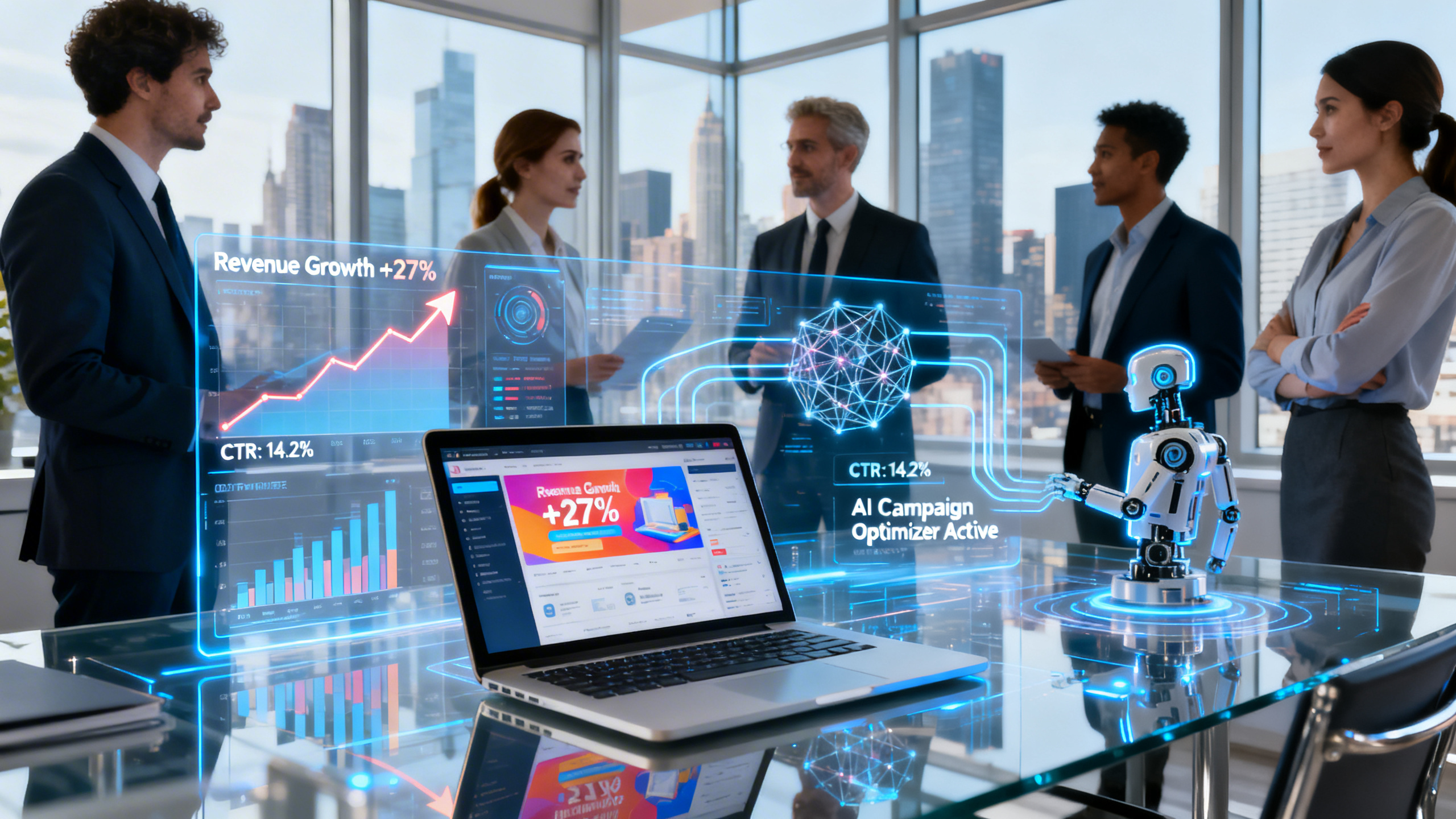
AI’s Transformative Power in Marketing: From Personalization to Predictive Precision

" "
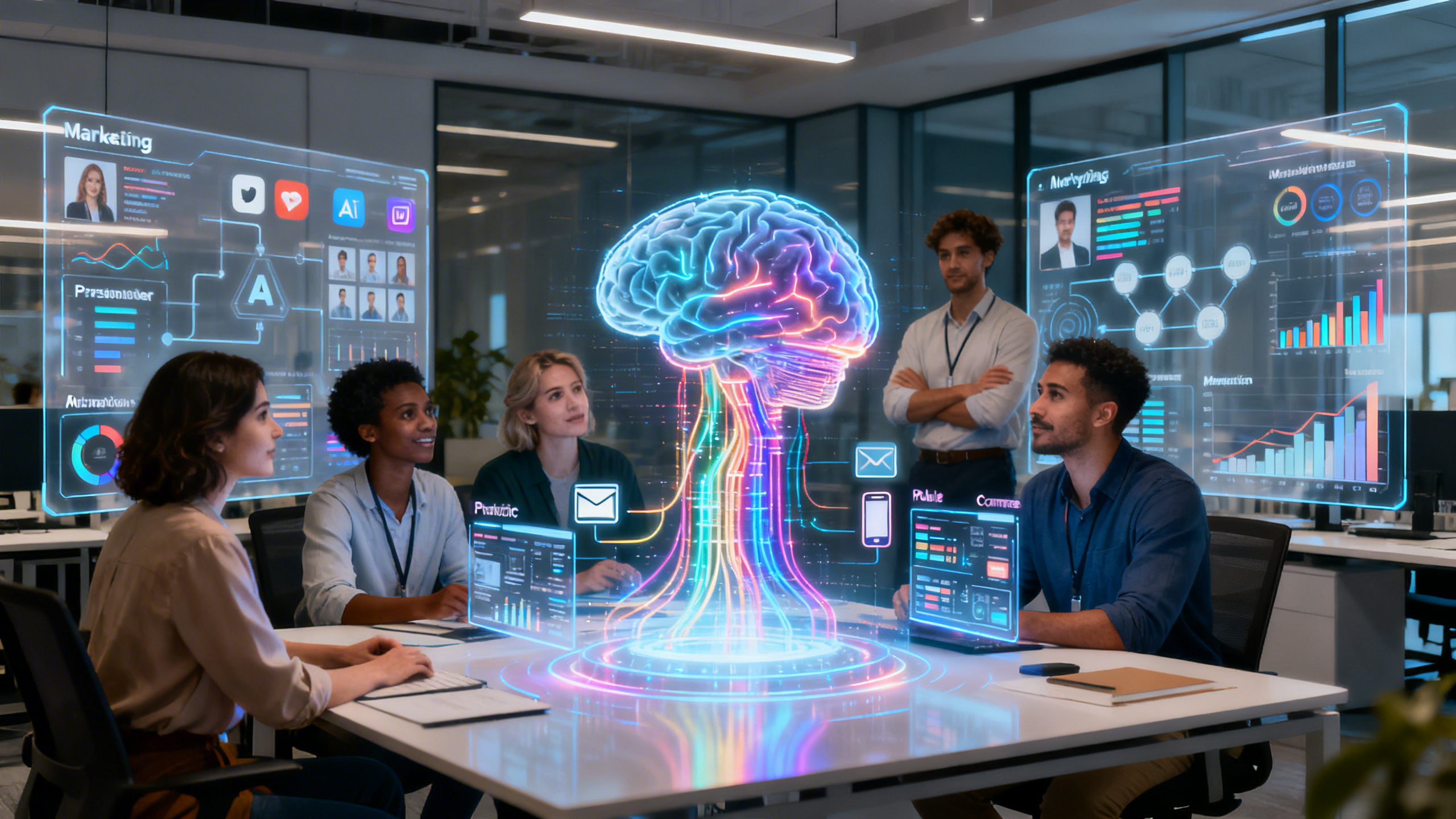
Marketing is no longer about casting the widest net and hoping for the best. Recent advancements in artificial intelligence are reshaping how brands connect with consumers, harnessing data, automation, and analytics to achieve results that once seemed out of reach. This shift isn’t just about shiny new tools—it’s fundamentally changing the marketer’s playbook, making every campaign smarter, faster, and more attuned to what customers actually want.
Personalization Moves Beyond the Basics
For years, marketers dreamed of personalizing every interaction. Today, AI is making that dream a reality on an unprecedented scale. Instead of relying on generic customer segments, AI analyzes behavioral patterns, purchase history, and even subtle cues like browsing time or social interactions. Brands are now able to tailor offers, content, and messaging at the individual level.
It’s become common for an online shopper to receive a product recommendation that feels uncannily relevant. Behind the scenes, AI-powered engines are sifting through mountains of data, learning which products resonate with whom and under what circumstances. Retailers like Sephora have integrated these systems to suggest items in real time, enhancing not just sales but also the overall shopping experience.
The impact goes beyond e-commerce. Streaming services increasingly use AI to curate playlists that feel handpicked. When a listener discovers a song that perfectly matches their mood, it’s often the result of algorithms that have learned from millions of interactions.
Automation Speeds Up Creative Execution
Marketers are under constant pressure to do more with less—more content, more campaigns, more engagement, all with tighter resources. AI-driven automation is changing the tempo. From email sequences that adapt based on customer behavior to chatbots that provide instant answers, automation is freeing up creative teams to focus on strategy and storytelling.
Consider how modern CRM platforms now deploy AI to adjust email subject lines or send times on the fly, optimizing for the recipient’s unique habits. Instead of generic blasts, emails arrive when each customer is most likely to open them, featuring products or content they’re most likely to appreciate.
Social media managers are also seeing the benefits. Automated platforms can now schedule posts, respond to basic queries, and even flag trending topics before competitors notice them. A small business owner, once overwhelmed by daily posting and customer inquiries, can now maintain a consistent and engaging presence with just a few clicks.
Predictive Analytics Drives Smarter Decision-Making
If personalization and automation are about acting in the present, predictive analytics is all about anticipating the future. AI systems digest massive datasets, identifying trends and forecasting outcomes with increasing accuracy. Instead of relying on gut instinct, marketers can now act on insights grounded in real-world behavior.
An apparel brand, for instance, might use predictive models to forecast which colors or styles will be in demand next season. These insights don’t just shape marketing campaigns—they influence inventory decisions, reducing waste and ensuring high-demand products are always in stock.
In another example, financial service providers leverage predictive analytics to identify customers who might be on the verge of switching providers. By reaching out with targeted offers before dissatisfaction peaks, these companies can boost retention rates and reduce costly churn.
Real-World Impact: ROI That Speaks Volumes
None of these innovations would matter if they didn’t impact the bottom line. The results, however, are hard to ignore. Brands adopting AI-driven personalization report significant lifts in engagement and conversion rates. Automated campaigns consistently outperform manual ones, especially when they adapt in real time to consumer responses.
One global beauty brand recently revamped its loyalty program using AI to suggest personalized rewards. The result: a sustained increase in repeat purchases and a noticeable rise in customer satisfaction scores. Marketing teams, once mired in data crunching and manual segment building, now devote more time to creative ideation and brand storytelling.
For a mid-sized retailer, predictive analytics helped avoid a costly overstock of winter coats. When AI flagged slowing demand, marketing teams shifted focus to promote spring wear instead. The move paid off with higher sell-through rates and a leaner, more responsive inventory.
Navigating the Challenges of AI Adoption
The shift isn’t without its hurdles. Marketers face new ethical questions as AI handles more customer data. Transparency and consent take on heightened importance—customers want personalized experiences, but not at the expense of their privacy.
Then there’s the learning curve. Not every team has an in-house data scientist or the budget for enterprise-grade tools. Many are turning to cloud-based platforms that offer plug-and-play AI features, lowering the barriers to entry and democratizing access.
Trust also plays a critical role. When an algorithm misfires—recommending a product that’s wildly off-base or sending a promotion at the wrong time—the illusion of personalization shatters. Brands must continually refine their systems, blending human touch and machine learning to create experiences that feel genuinely helpful.
The Human Element Remains Essential
Even as AI takes over more of the heavy lifting, marketers themselves are far from obsolete. The most successful campaigns are those where technology amplifies human creativity, empathy, and intuition. AI can suggest, segment, and automate, but it’s up to humans to infuse campaigns with the stories, humor, and emotional resonance that inspire loyalty.
A travel startup recently leaned into this blend of machine and human. Using AI, they identified users interested in solo adventures and delivered tailored trip suggestions. But it was the personal notes—handwritten by staffers and triggered by special milestones—that truly delighted customers, earning glowing feedback and organic social shares.
The Journey to Predictive Precision
The trajectory is clear: AI is moving marketing from reactive to predictive, from mass messaging to one-to-one engagement, from guesswork to data-driven certainty. Brands that embrace this evolution stand to reap the rewards, both in measurable ROI and in deeper, more authentic customer relationships.
As with any revolution, the winners are those who adapt, experiment, and never lose sight of the human on the other end of the interaction. In an era where every message can be personalized, every campaign automated, and every trend anticipated, marketing is less about selling and more about building lasting value—one smart, data-informed touchpoint at a time.
Embracing the New Playbook
The landscape will only grow more dynamic. As AI capabilities continue to expand, marketers will need to blend analytical rigor with creative boldness, ethical standards with technical know-how. The brands that thrive will be those willing to rethink every step of the customer journey, empowered by tools that make the impossible routine.
Key actions for marketers navigating this shift:
- Invest in platforms that unify data and enable real-time personalization.
- Prioritize transparency and consent in all data-driven initiatives.
- Blend automation with authentic, human-driven brand storytelling.
- Use predictive analytics to anticipate customer needs and preempt competitors.
- Foster a culture of experimentation, learning from both successes and missteps.
This new era isn’t just about technology—it’s about creating marketing that truly resonates, driven by insights and powered by empathy. The future belongs to those who harness AI not as a crutch, but as a catalyst for richer, more meaningful connections.