


















Rethinking Careers: How AI Is Reshaping Professional Growth Paths

" "
Artificial intelligence is no longer just a buzzword tossed around in tech circles. It’s rewriting job descriptions, transforming the skills businesses need, and creating new possibilities for growth in every corner of the professional world. For anyone navigating today’s employment landscape—be it as an executive, mid-career specialist, recent graduate, or entrepreneur—understanding how AI is transforming work isn’t just interesting, it’s essential.
Let’s explore how AI is recalibrating job roles, the essential new skillsets emerging alongside it, and what these changes really mean for people and organizations striving to stay ahead.
Shifting Boundaries Between Roles
The impact of AI on job roles isn’t about wholesale replacement, as headlines sometimes suggest. Instead, the boundaries between tasks once rigidly assigned to specific positions are becoming more fluid. For example, in financial services, AI-powered tools now handle everything from fraud detection to personalized client communications. This frees analysts to concentrate on higher-level strategy and client relationships—a shift that’s echoed across industries.
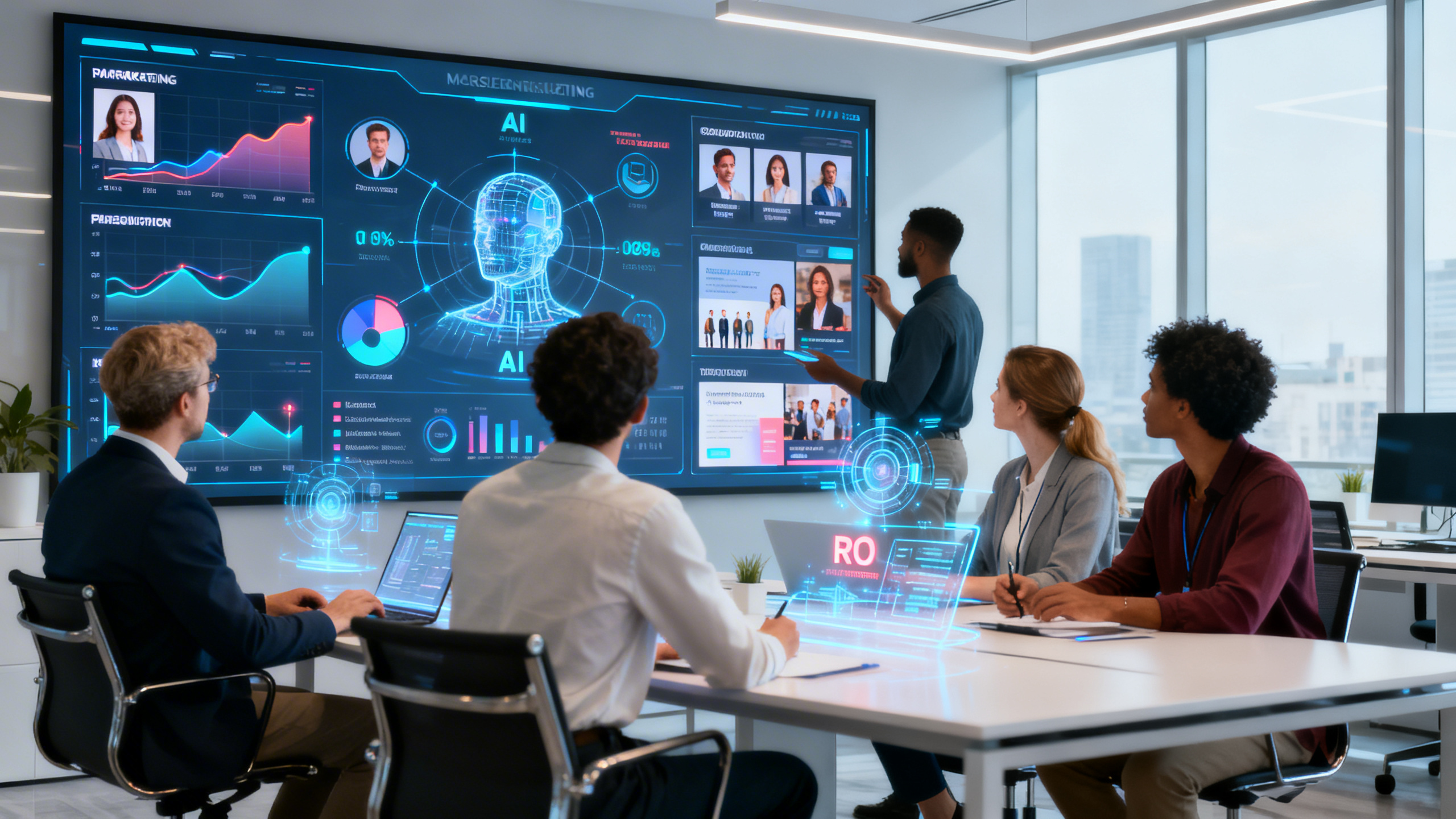
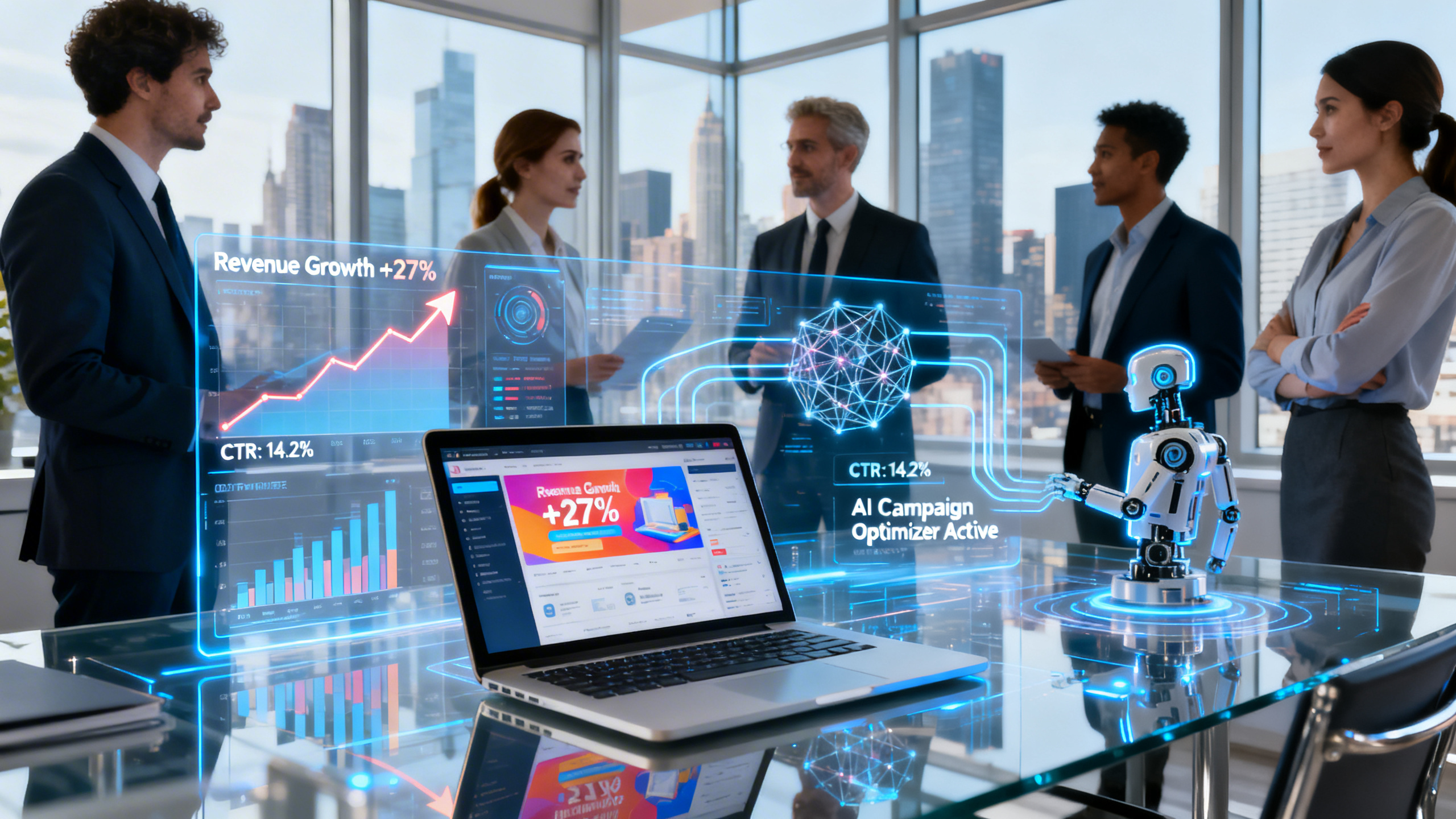
Consider marketing teams where AI automates routine campaign optimization. Marketers who once spent hours A/B testing now focus on creative storytelling and brand-building. The ability to interpret AI-driven insights and translate them into compelling narratives is fast becoming a core expectation, not just a bonus skill.
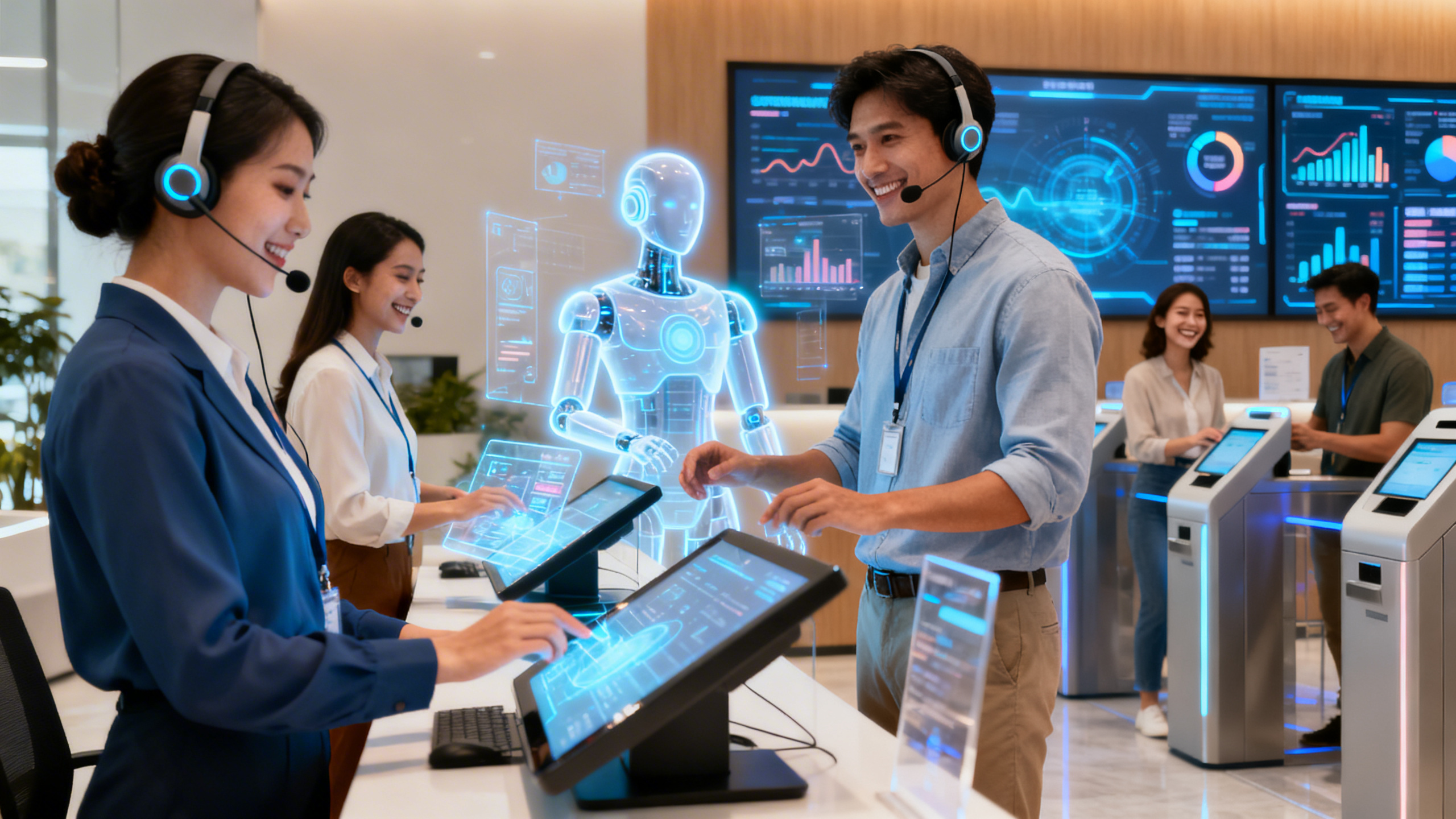
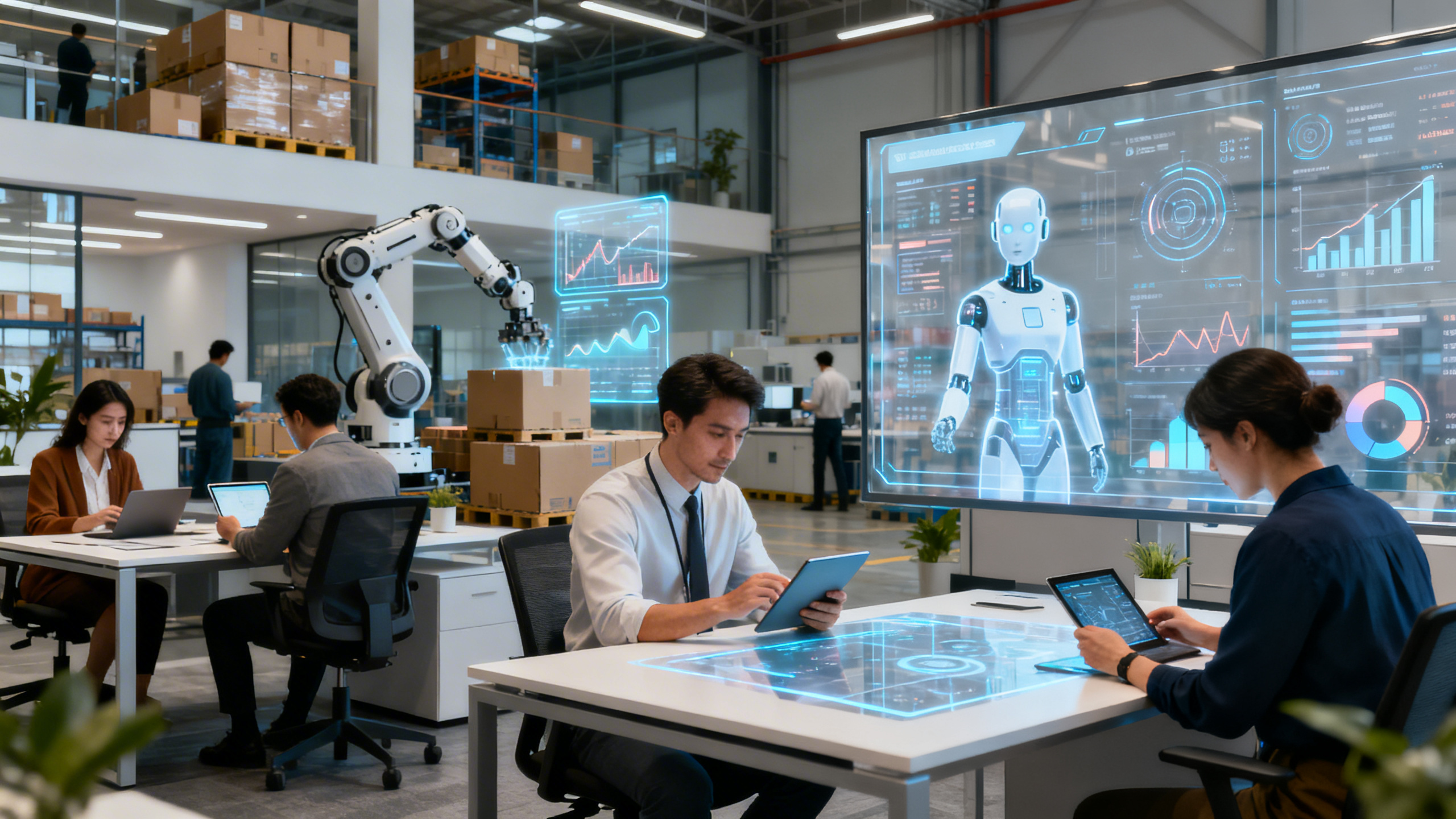
What’s emerging is a hybrid work model, where human ingenuity and machine intelligence collaborate. Employees find themselves moving away from narrow, repetitive tasks and toward roles that require judgment, empathy, and cross-functional thinking.
Demand for New Skillsets
As AI systems automate more of the routine, businesses are quickly discovering a gap: The most valuable employees aren’t just technically savvy—they’re adaptable, creative, and comfortable learning on the fly. According to business leaders surveyed by Deloitte, the most in-demand skills now blend technical literacy with human-centric abilities.
Here’s what’s gaining ground:
- Data literacy: Understanding how to interpret, question, and apply data-driven insights.
- Critical thinking: Evaluating AI recommendations with a healthy skepticism and context-awareness.
- Emotional intelligence: Navigating complex team dynamics and client relationships that AI tools can’t replicate.
- Agility and learning mindset: Embracing continuous learning to keep pace with evolving AI tools and processes.
For instance, HR professionals now use AI-driven platforms to analyze employee sentiment and predict retention risks. But acting on those insights—developing interventions, having difficult conversations, fostering trust—remains a distinctly human domain.
Realigning Training and Career Development
The pace at which job requirements are evolving puts pressure on companies and workers alike to rethink education and training. Traditional degrees may no longer be enough; micro-credentials and on-the-job learning are gaining traction.
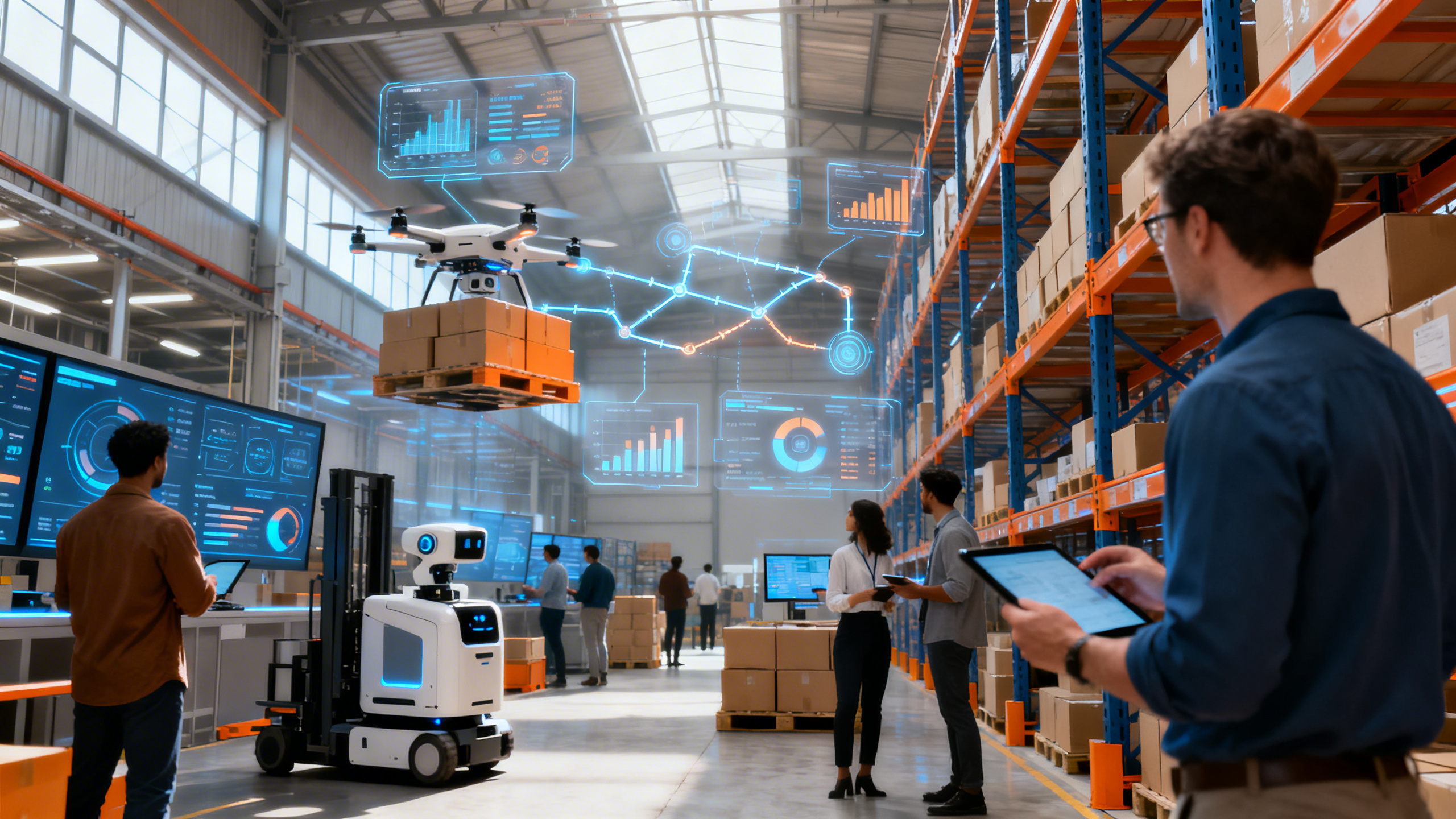
In large organizations, AI-driven learning platforms are tailoring development plans to individual employees. When a logistics company noticed delivery routes were being optimized by software, they invested in upskilling programs for drivers—teaching them to leverage new routing tools and analyze efficiency reports, rather than simply following directions. This approach not only preserved jobs but also made the workforce more engaged and adaptable.
Businesses are also forging new partnerships with online learning providers and universities, ensuring curriculums align with real-world skills. Employees who proactively seek out cross-disciplinary knowledge—combining, say, technical skills with communication or design thinking—are finding themselves especially well-positioned.
Opportunities Emerging from Automation
While anxiety lingers about job displacement, stories are emerging that show how AI can unlock new opportunities. In healthcare, AI assists radiologists by flagging anomalies in medical imaging, allowing doctors to spend more time with patients and on complex cases. In retail, AI-driven demand forecasting enables supply chain teams to experiment with new sourcing strategies, improving efficiency and reducing waste.
Entrepreneurs are also finding fresh openings. For example, startups are springing up to provide “explainable AI” services, helping companies make sense of the complex models driving their decisions. Consultants specializing in change management and digital transformation are in high demand, as companies strive to integrate AI without losing their human touch.
One small manufacturing firm recently adopted AI-powered predictive maintenance. Instead of cutting staff, the company transitioned machine operators to oversee the AI system, analyze performance data, and propose process improvements. The result was a workforce more engaged and invested in the business’s growth.
Navigating Challenges and Ethical Considerations
AI’s rapid integration into the workplace isn’t without obstacles. Employees sometimes worry about surveillance, data privacy, or losing autonomy. Businesses must tread carefully: Transparency about how AI tools are used, and clarity on job expectations, are crucial for building trust.
There’s also the risk of bias creeping into AI-driven decision-making. Companies are responding by creating cross-functional ethics committees and investing in technologies that audit AI outcomes for fairness. The growing field of “AI ethics” is attracting talent from law, sociology, and philosophy—illustrating how the future of work will draw on diverse perspectives.
It’s not uncommon for employees to struggle with the pace of change. In a recent manufacturing plant overhaul, some long-tenured staff felt overwhelmed by new digital tools. Management responded by pairing them with tech-savvy colleagues for peer coaching, blending institutional knowledge with fresh digital skills. This approach not only eased transitions but also fostered a more supportive workplace culture.
Adapting Leadership and Organizational Structures
Leaders are quickly discovering that simply adopting new tools isn’t enough. They need to create environments where experimentation is encouraged and cross-disciplinary teams can thrive. This means flattening hierarchies and empowering employees to collaborate across departments.
One global bank restructured its teams around customer journeys rather than traditional product lines. AI tools helped identify pain points, but it was cross-functional teams—combining IT, sales, and customer service—that designed and implemented improvements. The result was not only better customer outcomes, but also more agile, resilient teams.
Managers are also being trained to coach rather than command, helping employees navigate ambiguity and develop their own problem-solving capabilities. This shift in leadership style is critical to unlocking the full potential of AI-augmented workplaces.
Practical Steps for Workers and Businesses
For professionals eager to thrive in this new landscape, a few strategies are proving effective:
- Embrace lifelong learning: Regularly update your skillset, leveraging online courses, workshops, and internal training.
- Cultivate cross-functional expertise: Seek out projects that require collaboration beyond your immediate role or department.
- Develop digital comfort: Even non-technical roles benefit from familiarity with AI tools and data analytics platforms.
- Prioritize adaptability: Be open to changing roles or processes as business needs evolve.
Organizations, meanwhile, are investing in talent pipelines that prioritize flexibility over narrow specialization. Many are introducing rotational programs, giving employees exposure to a range of business functions powered by AI.
The Human Advantage in an AI-Driven World
Despite fears of machines taking over, the path forward is less about competition and more about collaboration. The future belongs to those who can harness technology’s strengths while amplifying distinctly human qualities: empathy, creativity, judgment, and leadership.
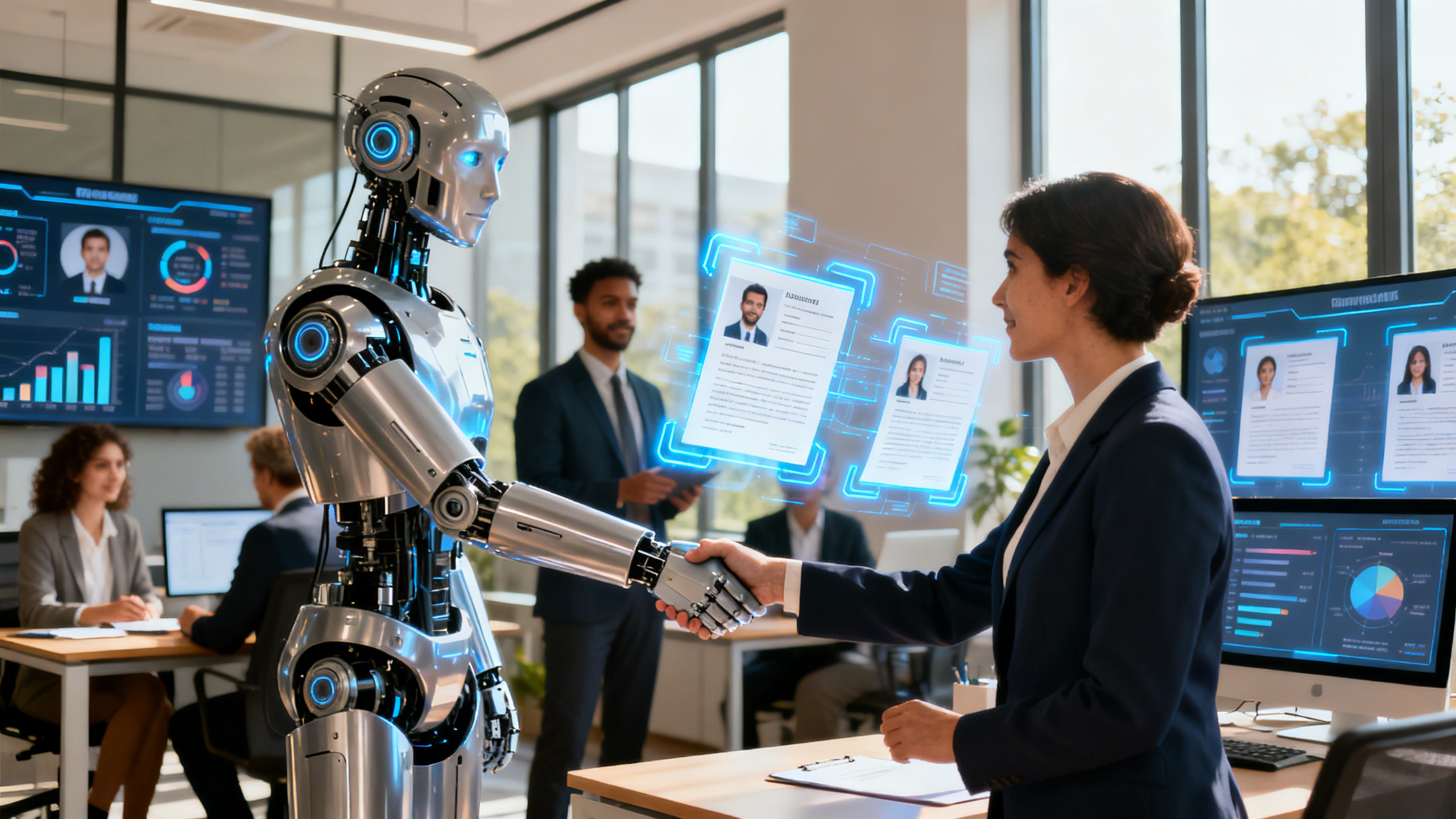
In a consulting firm where AI now screens resumes, recruiters have shifted their focus. They spend less time on paperwork and more on engaging with candidates, understanding motivations, and building lasting relationships. This not only improves hiring outcomes but also enriches the recruiter’s daily work.
Stories like these abound across sectors. In creative industries, designers use AI to generate preliminary concepts, freeing up time for bold experimentation and client engagement. Sales teams armed with AI-powered insights are spending more time solving real customer problems and less on administrative work.
Redefining Success in the Age of AI
As AI continues to evolve, so too will the definition of professional success. Titles and rigid career paths are giving way to portfolios of diverse experiences, continuous learning, and the ability to adapt on the fly.
Career coaches are advising clients to build “skills stacks”—combining technical know-how with communication, leadership, and problem-solving abilities. Employees who cultivate curiosity and resilience, who see AI as a partner rather than a threat, are finding new purpose and satisfaction in their work.
For business leaders, the opportunity lies in creating workplaces where human and machine intelligence complement each other. This means not just investing in technology, but also in culture, ethics, and the holistic development of teams.
In this new world, success isn’t about staying ahead of the machines—it’s about working with them to unlock potential that neither could achieve alone.
From the shop floor to the C-suite, the future of work is unfolding in real time. Those who embrace change, invest in new skills, and find meaning in collaboration are not just surviving—they’re thriving. As AI continues to redefine what’s possible, the most exciting careers may be the ones we haven’t yet imagined.